Thinking about trading city noise for tree‑lined streets and a shorter path to the Sound? If you are eyeing Rye Brook, you are not alone. Many buyers from NYC and nearby suburbs choose this small Westchester village for its suburban feel, commuter access, and community programs. In this guide, you will learn what life looks like day to day, from commuting and schools to taxes, housing, and practical steps that make your move easier. Let’s dive in.
Where Rye Brook sits
Village snapshot
Rye Brook is a village in the Town of Rye, Westchester County. It sits just west of the City of Rye and north of Port Chester, with Greenwich, Connecticut a short drive east. The village is small, with a population under 10,000, so it feels residential and close‑knit rather than urban.
Neighborhood feel
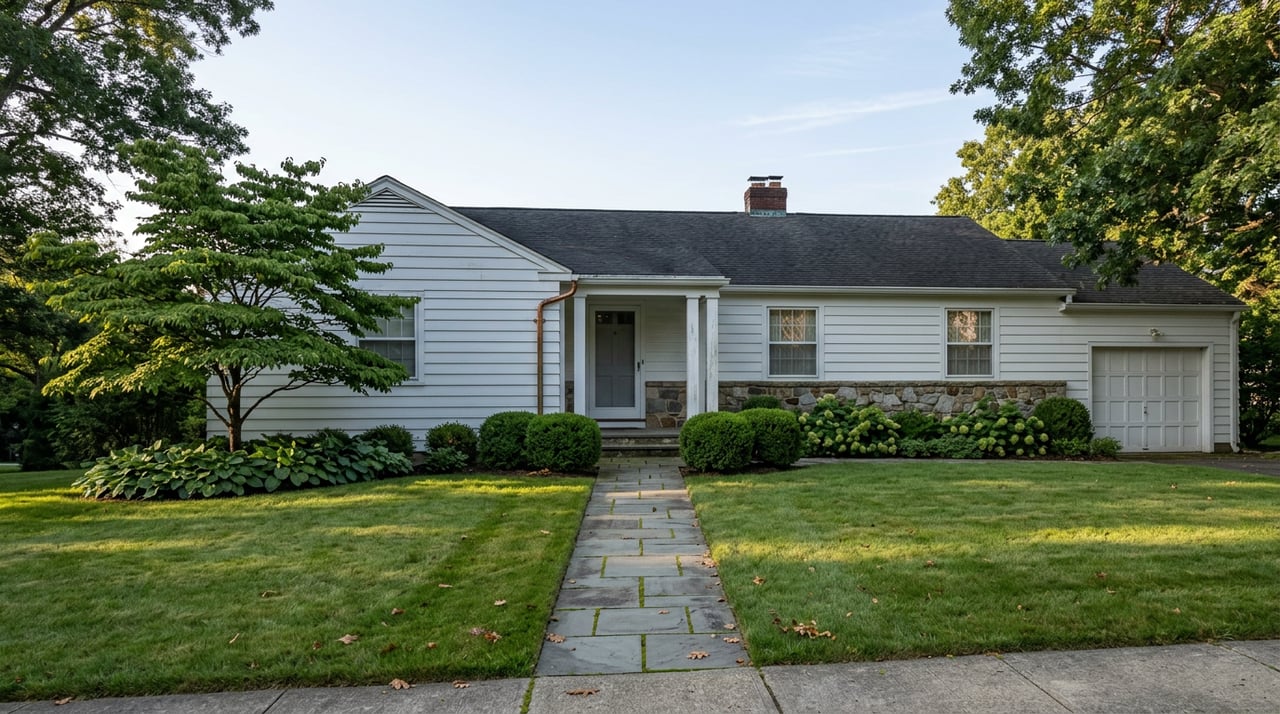
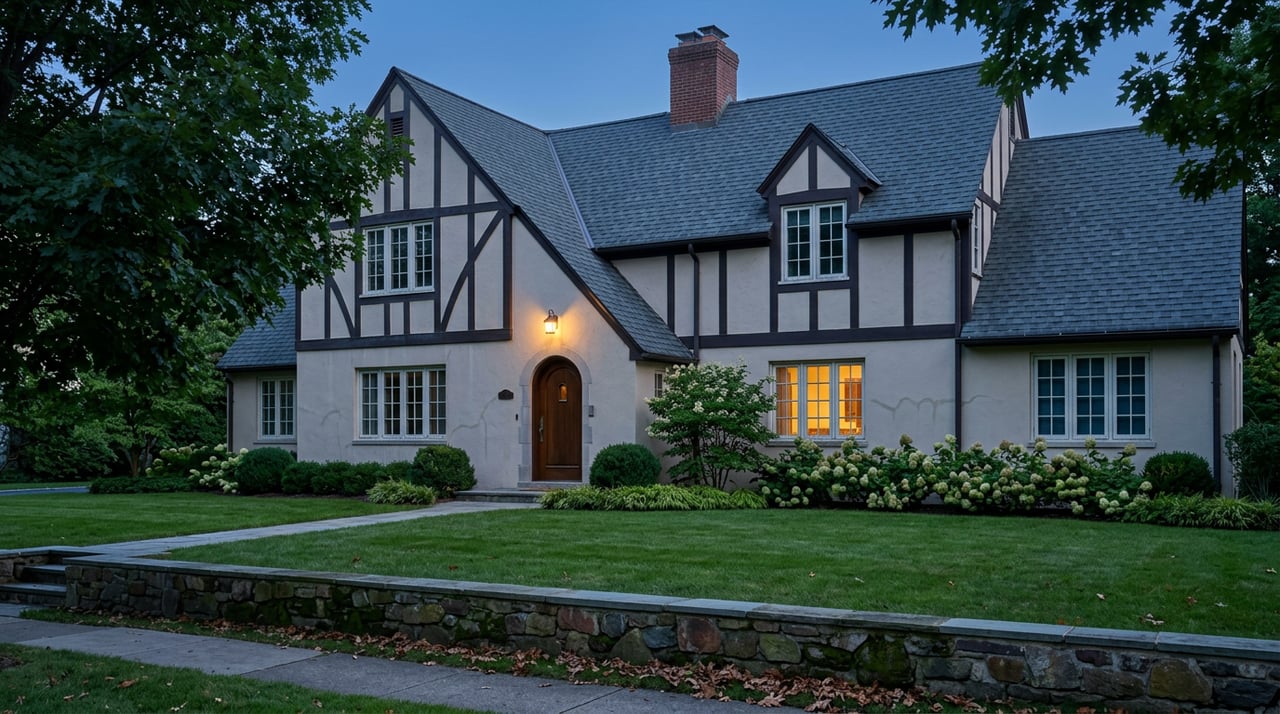
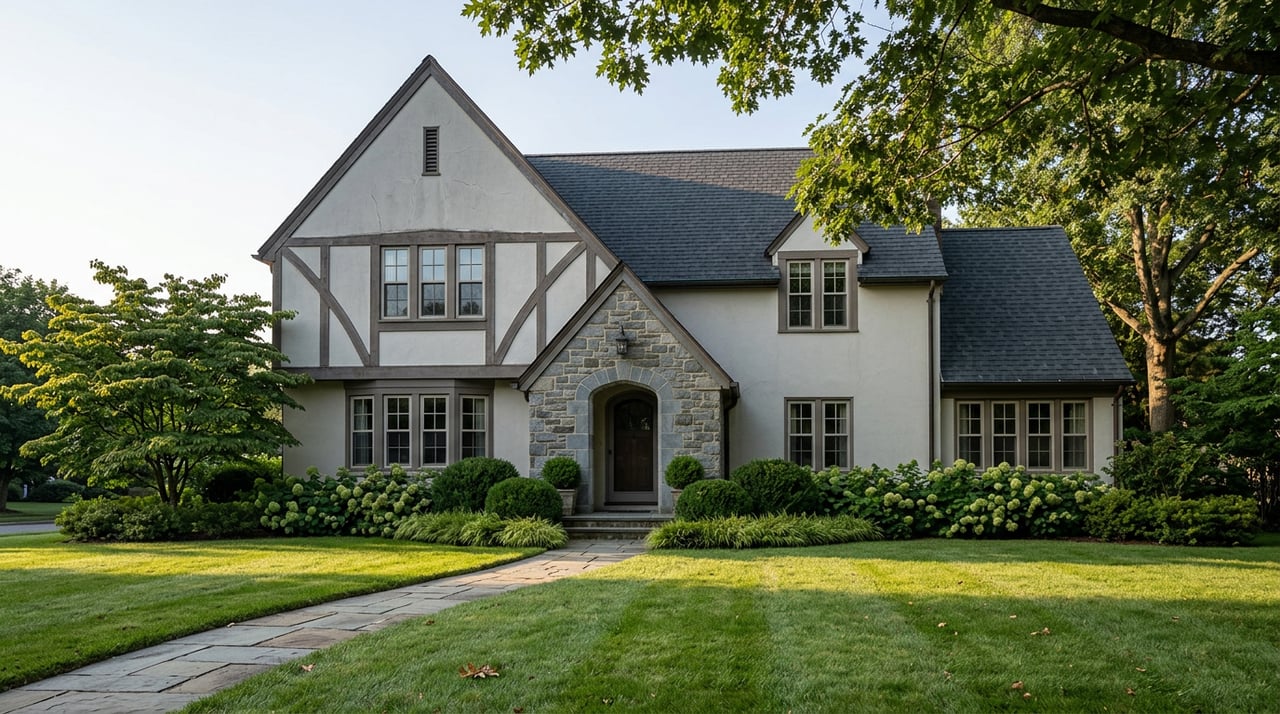
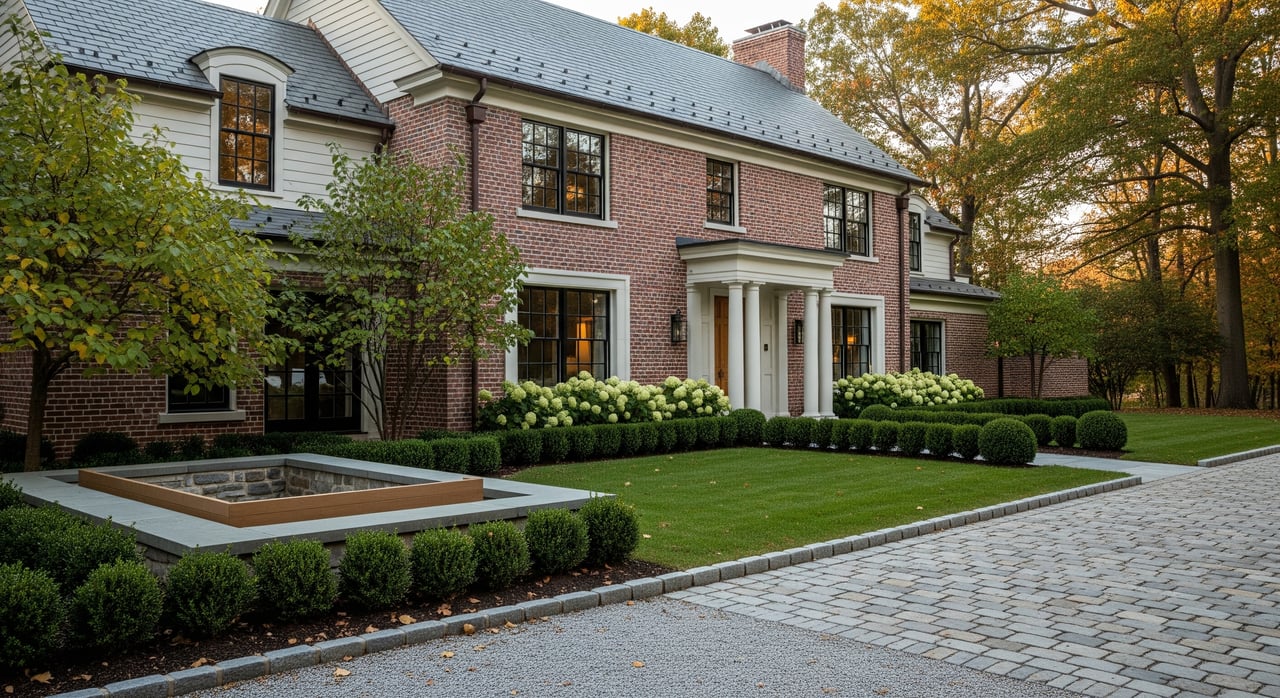
You will find mostly single‑family streets with mature trees and homes from mid‑20th century builds to newer construction. Commercial areas are limited to a few corridors and nearby towns, which keeps most blocks quiet. Families often choose Rye Brook for its recreation programs and access to nearby shopping and dining in Port Chester, Rye, and Greenwich.
Walkability basics
Rye Brook is not a dense, walk‑everywhere village. Some pockets have sidewalks and small retail clusters within walking distance, but most daily errands are a short drive. If you value biking, road conditions vary by street, and usage is growing.
Daily life and amenities
Parks and recreation
The Village Recreation Department runs year‑round programs, including youth sports, summer camps, and activities for older adults. Local parks offer playgrounds, sports fields, and walking paths. A short drive takes you to county parks for hiking, golf, and waterfront access, plus Playland Park in nearby Rye for boardwalk fun and seasonal events.
Community events
Expect seasonal festivals, summer concerts, holiday parades, and youth sports tournaments. Event calendars are posted by the village and Recreation Department, so you can plan weekends around local activities.
Shopping and services
Within the village and nearby Port Chester you will find grocery stores, pharmacies, and everyday services. Larger retail and big‑box shopping sits along major corridors toward White Plains and other Westchester hubs. Healthcare is close by, with multiple hospitals and specialty centers within a 10 to 30 minute drive in White Plains and Greenwich, plus local urgent care options.
Dining and nightlife
Port Chester’s dining scene is a standout, with a wide range of cuisines and a casual nightlife vibe. Downtown Rye and nearby Greenwich add boutique shopping and more curated dining. Living in Rye Brook gives you quick access to all three.
Getting around
Rail to Manhattan
Most commuters use Metro‑North’s New Haven Line from the Port Chester or Rye stations. Trains run to Grand Central Terminal, with typical weekday trips in the 40 to 55 minute range depending on your train. Check current timetables to plan connections.
Driving routes
Key highways include I‑95, I‑287, and the Hutchinson River Parkway, which connect you to Westchester, Manhattan, and Connecticut. Off‑peak drives to Manhattan can be 35 to 50 minutes, while peak periods are longer. Factor in tolls and parking.
Local transit and airports
Westchester County’s Bee‑Line bus connects villages, train stations, and shopping centers. Rideshare works well for first and last mile connections. For flights, you can reach Westchester County Airport in White Plains, LaGuardia, JFK, Newark, and even Bradley in Connecticut by car.
Schools and districts
Blind Brook‑Rye Union Free School District is commonly associated with Rye Brook. Because village borders and school district lines do not always match, you should verify the school assignment for any specific address. For official performance data, review New York State Education Department report cards and district websites. Private school choices are also available within a short drive in Greenwich, Rye, Stamford, and White Plains.
Taxes and cost of living
Westchester County carries higher property taxes than many other parts of New York State. Your tax bill will reflect village, town, and school district levies, which vary by property. Plan for state income tax, utilities that are often higher than national averages, and commuting or parking costs if you travel to the city. To budget accurately, review current tax rates and recent assessments for any home you are considering.
Housing options and price context
Home types and lot sizes
Most inventory consists of single‑family homes, including colonial, cape cod, and ranch styles, along with newer custom builds. Lot sizes range from modest yards to larger parcels, with occasional acre‑plus properties in select areas. You will also find a smaller selection of condominiums and townhome communities that appeal to downsizers and professionals who want lower maintenance.
Price overview
The Westchester market moves with seasons and interest rates, so think in ranges rather than fixed numbers. In Rye Brook and the immediate area, many single‑family homes start in the mid‑six‑hundreds for smaller or older properties and rise into the $1 million to $2 million range or higher for larger, renovated, or distinctive homes. Condos and townhomes tend to price lower than single‑family homes. For current medians and inventory, review local MLS and Hudson Gateway Association of Realtors updates when you are ready to make an offer.
New construction and renovations
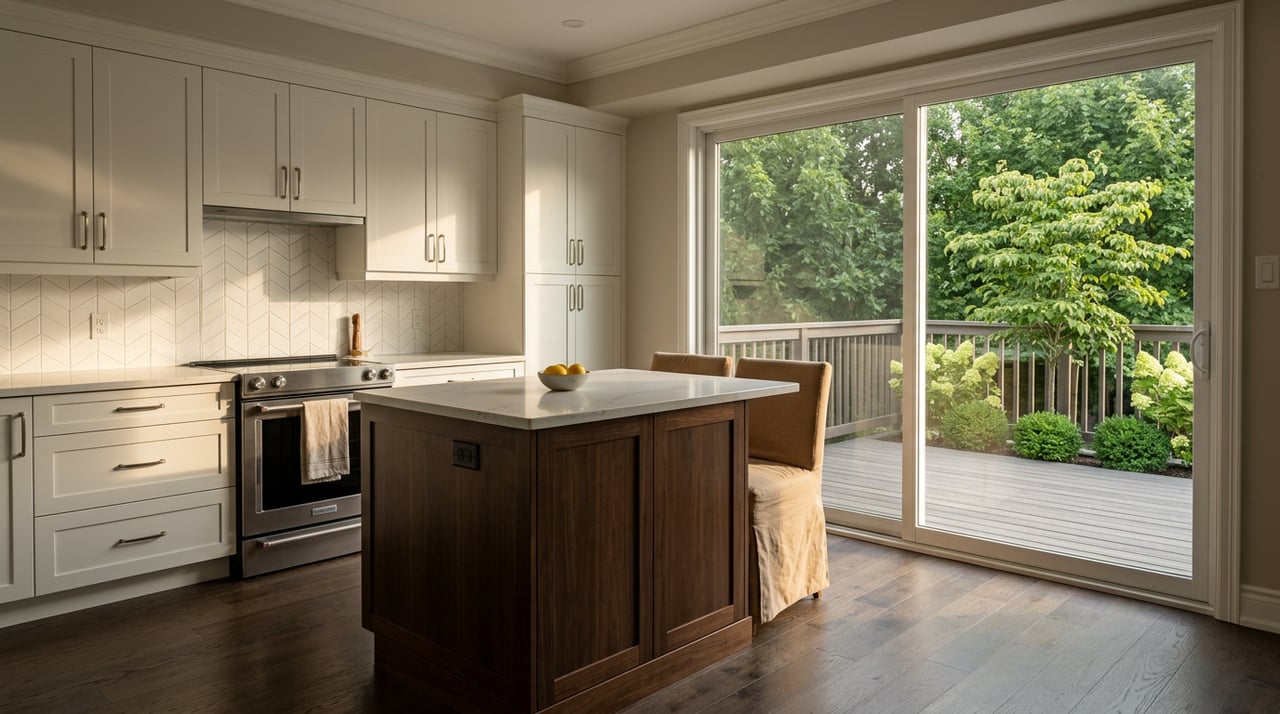
You will see some infill construction and occasional tear‑down and rebuild projects. If you plan to renovate or add on, check village zoning rules, lot coverage limits, and permit timelines before you buy.
Who thrives in Rye Brook
- Families who value neighborhood parks, recreation programs, and access to schools.
- Commuters who want suburban living with regular rail service to Manhattan.
- Professionals who work across Westchester and Fairfield County and want a central base.
- Downsizers who prefer single‑level living or lower‑maintenance condos and townhomes.
Tradeoffs to weigh
- Property taxes and overall cost of living are higher than many regions.
- Peak‑hour driving can be time‑consuming. Rail is reliable, but schedules and station access vary by neighborhood.
- Inside‑the‑village retail is limited, so most errands require a short drive.
- Inventory can be tight in highly sought‑after school zones, which may create competitive bidding.
Smart buyer checklist
Use this list to move from research to confident decision:
- Verify school assignment by address and review NYSED report cards for current data.
- Review the property’s tax history and ask your attorney or advisor about projected assessments.
- Check FEMA flood maps and local village floodplain maps for the specific lot. Elevation and proximity to waterways can vary by block.
- Confirm zoning, lot coverage, setback rules, and any HOA or condo fees that affect ownership costs or renovation plans.
- Assess commuting options for your routine. Time the drive at your typical hours and check train schedules from Port Chester or Rye.
- Walk the immediate neighborhood for sidewalk access, proximity to parks, and your daily routes.
- Price with current comps. Ask your agent for an MLS snapshot of similar homes under contract in the past 60 to 90 days.
Move with a local guide
Choosing the right village is about more than a commute. You want block‑by‑block insight, current comps, and a clear plan for pricing and negotiation. As a Rye Brook native and long‑time Westchester real estate professional with Christie’s International Real Estate support, Andrew Rogovic brings a practical, data‑driven approach for buyers, sellers, and relocating families. If you are weighing a move, reach out to discuss neighborhoods, timelines, and an action plan that fits your goals. Request a Free Home Valuation to start the conversation.
FAQs
How long is the commute from Rye Brook to Manhattan?
- Most riders use Metro‑North’s New Haven Line from Port Chester or Rye, with typical weekday trips to Grand Central in about 40 to 55 minutes depending on the train.
What types of homes are common in Rye Brook?
- Primarily single‑family houses in colonial, cape cod, and ranch styles, plus some newer custom builds and a smaller selection of condos and townhomes.
Are property taxes high in Rye Brook?
- Westchester County has higher property taxes compared to many areas. Your total bill depends on village, town, and school levies for the specific property.
Which school district serves Rye Brook addresses?
- Many addresses fall within Blind Brook‑Rye UFSD, but boundaries vary. Always verify the assignment for the exact property and review NYSED report cards.
Is Rye Brook walkable for daily errands?
- Some areas have sidewalks and small retail clusters, but most errands require a short drive. Nearby Port Chester, Rye, and Greenwich add more retail options.
What should I check before making an offer in Rye Brook?
- Confirm school assignment, review tax history, evaluate flood maps, check zoning and any HOA fees, and compare recent MLS comps for pricing confidence.