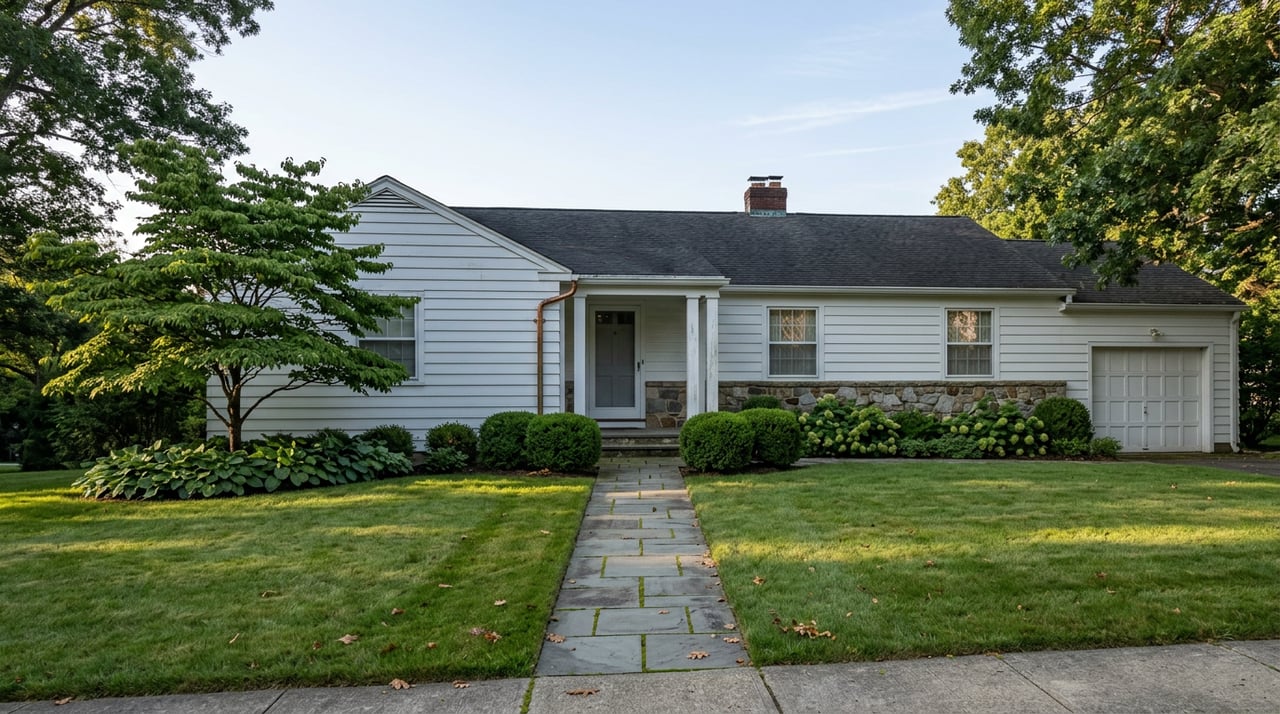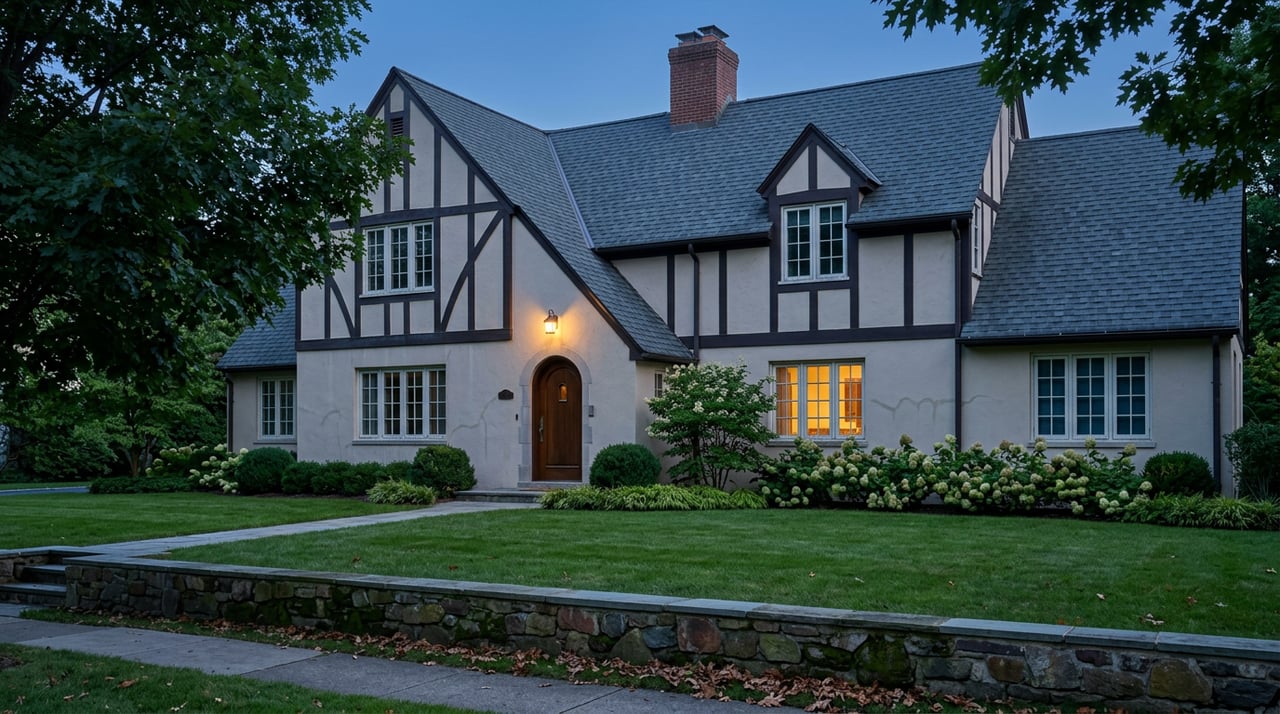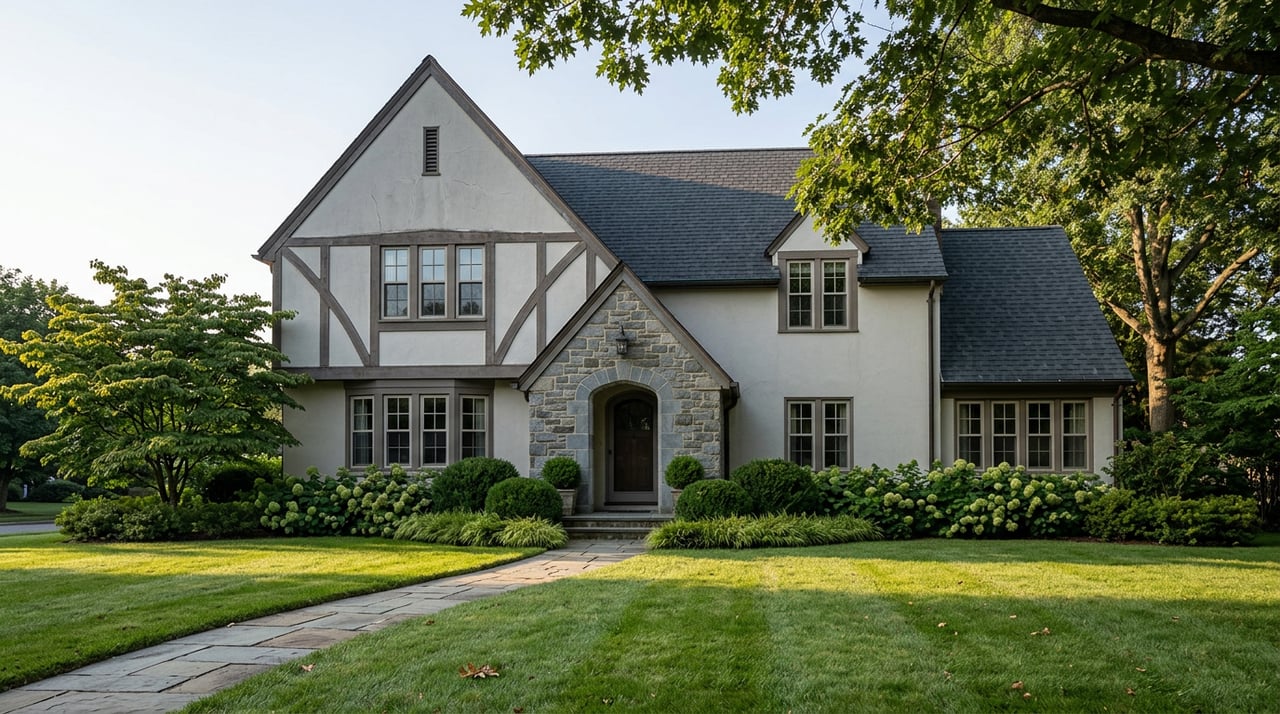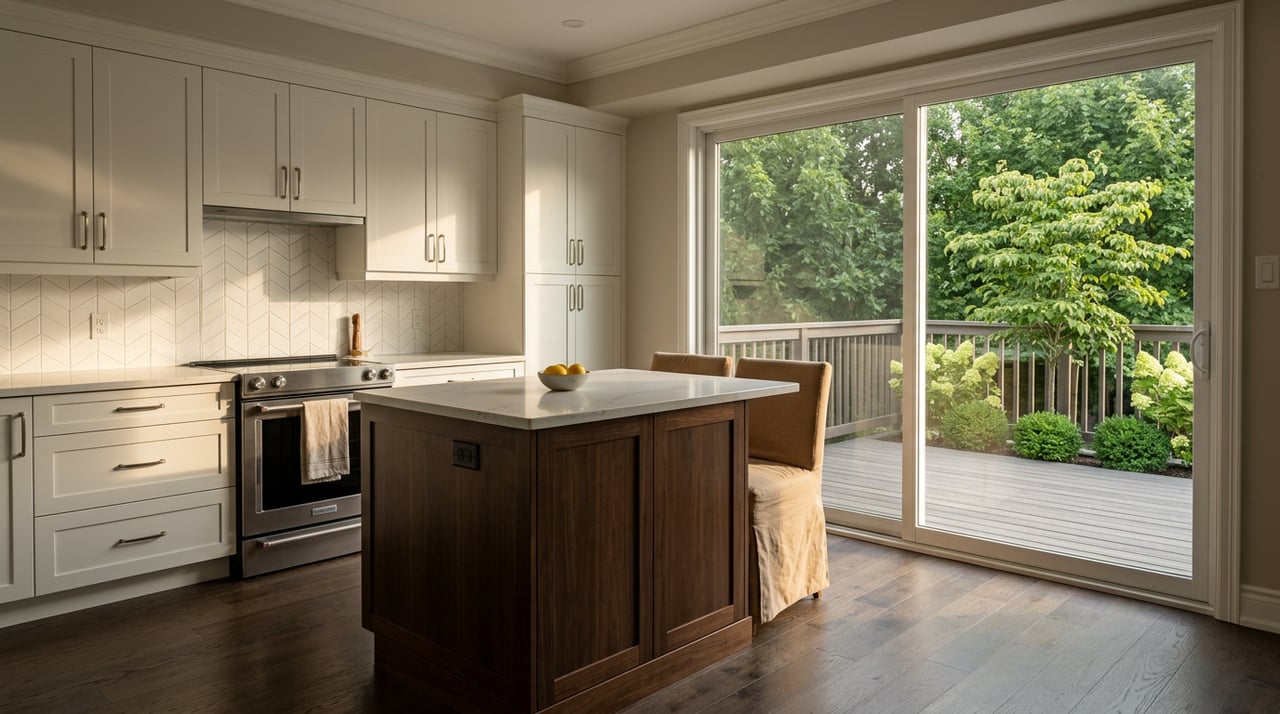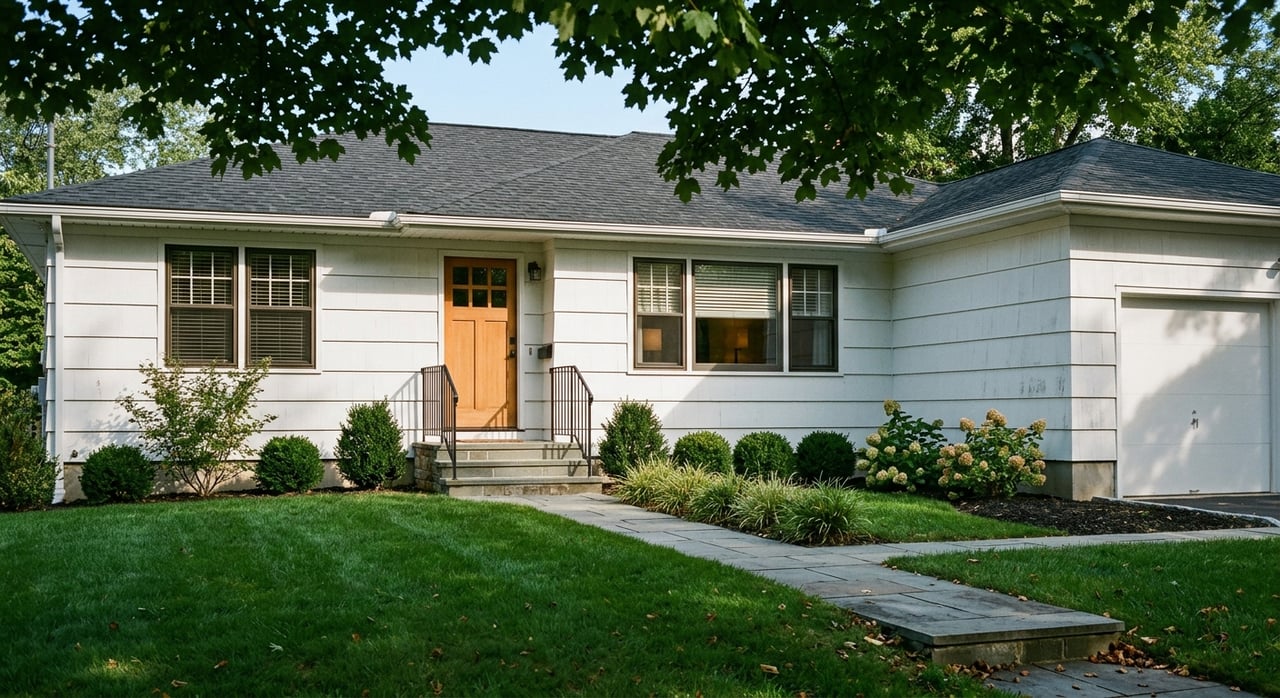
Trying to choose between Rye Brook and a nearby town? You are not alone. Many buyers start with one town in mind, then realize Rye, Port Chester, and Harrison each offer a very different mix of commute patterns, housing options, and day-to-day lifestyle. If you compare them the right way, you can narrow your search with more confidence and less guesswork. Let’s dive in.
Start With Your Daily Routine
The best town for you usually depends on how you live Monday through Friday, not just what looks good in a listing photo. A smart comparison starts with your real commute, the kind of home you want, and the places you expect to use often.
According to the Village of Rye Brook’s transportation planning documents, Rye Brook is the most road-oriented option in this group. Its core network centers on I-287, the Hutchinson River Parkway, Bee-Line bus routes, and local roads, and residents often use nearby Rye and Port Chester Metro-North stations for rail access. The same plan also notes Bee-Line connections to Harrison, the airport, Armonk, Port Chester, and White Plains through the local bus system provided in the Rye Brook transportation plan.
If you expect to use rail often, station access may matter a lot in your search. Metro-North station pages show that Rye, Port Chester, and Harrison are all New Haven Line stations with accessibility features, and Port Chester and Harrison also connect to bus service. Harrison station also has a commuter permit parking program, according to the official Harrison station information.
Compare Commute and Access
A shorter or simpler commute can shape your quality of life more than almost any other factor. That is why it helps to compare not only train access, but also whether you are likely to drive, use local buses, or depend on parking near a station.
Census QuickFacts reports mean travel times to work of 33.2 minutes in Rye Brook, 26.9 minutes in Port Chester, 29.2 minutes in Harrison, and 39.8 minutes in Rye. These are resident averages, not direct train times, but they offer a useful snapshot of how commuting can differ from town to town, as shown in Census QuickFacts for Rye Brook.
Rye Brook Access Snapshot
Rye Brook can be a practical fit if your routine is more car-based or if you want flexibility between roads, buses, and nearby stations. The village is not built around a station in the same way some nearby communities are, so many residents use Rye or Port Chester for train service.
That setup works well for some buyers and feels less convenient for others. If you know you will drive often, Rye Brook may align with your routine. If you want to walk or stay very close to rail access, you may want to compare it closely with Harrison, Rye, or Port Chester.
Port Chester, Rye, and Harrison Access
Port Chester and Harrison offer direct station presence plus bus connections. Rye also offers New Haven Line access and a more defined downtown setting around daily errands and services.
If your priority is having both transit and a central business district nearby, Rye and Port Chester may stand out. If you want station access paired with broader town recreation infrastructure, Harrison may move higher on your list.
Compare Housing Style and Price
Housing is where these four markets really start to separate. The differences are not just about price, but also density, owner occupancy, and the type of living environment you may experience from one town to the next.
Rye Brook has an 84.7% owner-occupied housing rate, a median owner-occupied value of $1,016,100, and a population density of 2,930.9 people per square mile, according to Census QuickFacts for Rye Brook. Those figures point to a more suburban, owner-occupied housing profile.
Port Chester is notably denser and more rental-heavy. Census data shows a 46.5% owner-occupied rate, a median owner-occupied value of $582,600, a density of 13,613.8 people per square mile, and median gross rent of $2,028 in Port Chester QuickFacts. That suggests a more urban mix with stronger apartment and condo presence.
Harrison falls somewhere in the middle on tenure mix, while still aligning with the higher end on value. It has a 60.5% owner-occupied rate, a median owner-occupied value of $1,010,700, and a density of 1,683.0 people per square mile, based on Harrison QuickFacts. The town also describes itself as including homes on broader acreage as well as downtown neighborhoods.
Rye sits at the top of the pricing ladder in this group. QuickFacts shows a 70.4% owner-occupied rate, a median owner-occupied value of $1,819,900, a density of 2,834.8 people per square mile, and median gross rent above $3,500 in Rye city data.
Recent Sale Price Context
Recent sale data shows the same broad order, although small town-level sales counts can make one month look more dramatic than it really is. March 2026 Redfin figures reported median sale prices of $645,000 in Rye Brook, $840,000 in Port Chester, $1,271,500 in Harrison, and $2,200,000 in Rye, according to the Rye Brook housing market page.
The bigger takeaway is not the exact monthly number. It is that your budget may open very different paths depending on which town you choose. A number that buys one type of property in Rye may buy something very different in Port Chester or Rye Brook.
Compare Parks and Recreation
Lifestyle is not just about the home itself. It is also about where you will walk, gather, relax, and spend time on weekends.
Rye Brook has a park-centered amenity pattern. The village highlights five main parks and additional use of Crawford Park and school facilities, including Pine Ridge Park, Garibaldi Park, Rye Hills Park, Harkness Park, Rye Brook Athletic Fields, Magnolia Park, and Rich Manor Park.
Port Chester offers a broad mix of neighborhood parks and waterfront-related amenities. The village lists Abendroth Park, Columbus Park, Edgewood Park, Joseph Curtis Recreation Park, Lyon Park, the Port Chester Marina, Veterans Memorial Park, and William James Memorial Gateway Park, and its marina includes a boat ramp, slips, parking, pavilion, and promenade.
Rye combines a defined downtown with structured recreation offerings. The city describes Downtown Rye as its central business district with shopping, restaurants, services, and city-owned visitor parking, while its recreation department operates from Recreation Park with programs, camps, events, rentals, and activities.
Harrison brings together downtown convenience and town recreation resources. The town highlights shopping, restaurants, recreation, entertainment, public transportation, and year-round programs and events, along with parks, pools, and community centers.
A Simple Way To Compare Towns
If you are deciding between Rye Brook, Rye, Port Chester, and Harrison, it helps to score each one using the same categories. This keeps you focused on what matters instead of jumping between headlines or opinions.
Here is a practical framework you can use:
| Category | What to Compare |
|---|---|
| Commute and access | Likely train station, driving routes, bus connections, parking rules |
| Housing type and value | Price range, property type, density, owner-occupied vs. rental mix |
| Parks and recreation | Parks, programs, waterfront access, fields, pools, community spaces |
| Downtown convenience | Restaurants, services, shopping, errands, station-area ease |
This kind of matrix reflects the local data well. Rye Brook is more road-oriented, Rye and Port Chester offer station access plus more centralized amenities, and Harrison blends station convenience with wider recreation infrastructure.
Questions To Ask Before You Choose
As you compare options, ask the same set of questions for each town:
- Which station would you actually use most often?
- Would you need resident parking or a permit?
- What property type fits your budget in each market?
- Are you looking for a more suburban or more urban setting?
- Do you want parks, a downtown feel, waterfront access, or a mix?
- How important are maintenance costs, taxes, or HOA fees for your decision?
The research here suggests that using the same month, the same property type, and the same set of cost factors is especially important when comparing towns with low monthly sales volume. That creates a more accurate side-by-side view and helps you avoid overreacting to one standout sale.
How To Narrow Your Search Faster
If you are still torn between Rye Brook and nearby towns, try ranking your top three priorities first. For many buyers, those are commute reality, home style, and everyday convenience.
From there, tour each area with those priorities in mind. Notice whether you are picturing your real routine there, not your idealized weekend version of it. That is often the fastest path to clarity.
No single headline number decides the answer. The better match usually comes from balancing access, housing form, pricing, and the places you will actually use week after week.
If you want help comparing Rye Brook, Rye, Port Chester, and Harrison in a way that fits your budget and goals, Andrew Rogovic can help you sort through the numbers, the neighborhoods, and the practical tradeoffs so you can move forward with confidence.
FAQs
How does Rye Brook compare to nearby towns for commuting?
- Rye Brook is more road-oriented, with many residents using nearby Rye or Port Chester stations, while Rye, Port Chester, and Harrison have direct New Haven Line station access.
How does Rye Brook compare to Port Chester on housing style?
- Rye Brook has a more suburban, owner-occupied profile, while Port Chester is denser and more rental- and apartment-oriented based on Census housing data.
How does Rye compare to Rye Brook on home prices?
- Rye is the highest-priced market in this group by a wide margin based on both Census median owner-occupied values and recent sale price snapshots.
How does Harrison compare to Rye Brook for daily convenience?
- Harrison combines station access, shopping, restaurants, and broader recreation infrastructure, while Rye Brook is more park-centered and road-oriented.
What is the best way to compare Rye Brook, Rye, Port Chester, and Harrison?
- A practical method is to score each town by commute and access, housing type and value, parks and recreation, and downtown convenience using the same criteria for every location.