Wondering how to list your Rye Brook home without missing an important step? In a market where homes can move quickly and buyers are watching price, condition, and location details closely, preparation matters. If you want to sell with confidence, it helps to know what to do before your home goes live, what to expect once offers come in, and where Rye Brook sellers need to pay extra attention. Let’s dive in.
Understand the Rye Brook market first
Before you list, you need a clear picture of the market you are stepping into. Current local data points to Rye Brook as a seller’s market, with low inventory, strong sale-to-list ratios, and median days on market in roughly the 24 to 30 day range.
That does not mean every home will sell the same way. It means well-prepared homes that are priced and presented correctly can attract serious attention quickly. In a competitive environment like this, your first pricing and launch decisions can shape the entire sale.
Step 1: Confirm your home details
Start with the facts a buyer will care about most. That includes your home’s square footage, lot size, bedroom and bath count, major updates, age of systems, and any permits or certificates of occupancy tied to improvements.
In Rye Brook, you should also confirm the exact school district early in the process. The village is served by Blind Brook-Rye UFSD and Port Chester-Rye UFSD, and district boundaries can affect buyer search criteria and comparable sales.
Step 2: Gather paperwork before listing
One of the best ways to reduce stress later is to gather your documents upfront. Buyers, attorneys, and title professionals may all need pieces of this information during the transaction.
A strong pre-listing file often includes:
- permits for past work
- certificates of occupancy
- repair and maintenance records
- appliance or system warranties
- utility information
- survey, if available
- HOA or association documents, if applicable
- records related to shared features like fences or driveways, if applicable
If your home was built before 1978, you may also need lead-based paint paperwork. For many older homes, that is a key part of the seller disclosure process before contract signing.
Step 3: Prepare for New York disclosures
New York sellers now need to take disclosures seriously. Beginning July 1, 2025, most sellers of one- to four-family residential property must complete and sign the New York Property Condition Disclosure Statement and deliver it before the buyer signs a binding contract of sale.
This form goes beyond a basic condition summary. It asks about title matters, shared walls or driveways, utility charges or fees, certificates of occupancy, floodplain status, flood insurance, prior flood issues, radon, petroleum or toxic substances, sewage and water systems, and known material defects in major components.
The key point is that you answer based on your actual knowledge. The disclosure is not a warranty, and it does not replace inspections, but it is an important legal step in the process.
If you learn new information after completing the form that makes it materially inaccurate, a revised disclosure must be delivered as soon as practicable. That is one more reason to organize your records early and be thoughtful about your answers.
Step 4: Price from local comps, not wishful thinking
Pricing is one of the most important parts of your listing strategy. In Rye Brook, where inventory is tight and buyers may act fast, overpricing can hurt momentum during the first days on market.
The best pricing strategy usually starts with recent closed sales that truly match your home. That means comparing homes in the same neighborhood, similar condition, similar style, and when relevant, the same school zone.
Active listings can be helpful for context, but they are not proof of value. Closed sales show what buyers were actually willing to pay. In a market where sale-to-list ratios have been strong, a smart launch price can help you capture early buyer interest instead of chasing the market later.
Step 5: Focus on presentation that fits Rye Brook buyers
You do not always need a major renovation to make a strong impression. Local trend data suggests buyers have responded well to homes that highlight practical, livable features like open floorplans, hardwood floors, laundry areas, granite counters, large living rooms, ranch layouts, and front patios.
That points to a simple strategy. Make your home feel clean, bright, open, and easy to imagine living in.
A practical pre-listing checklist includes:
- decluttering surfaces and storage areas
- deep cleaning every room
- touching up paint where needed
- improving lighting and sightlines
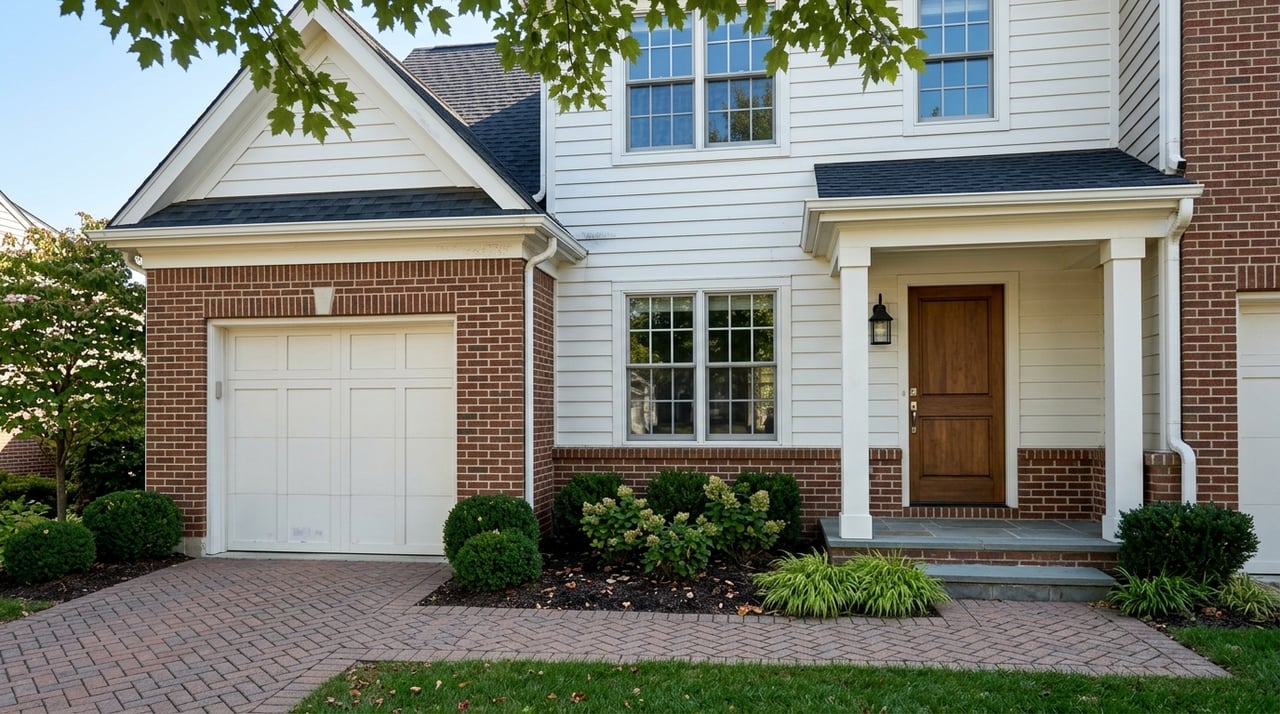
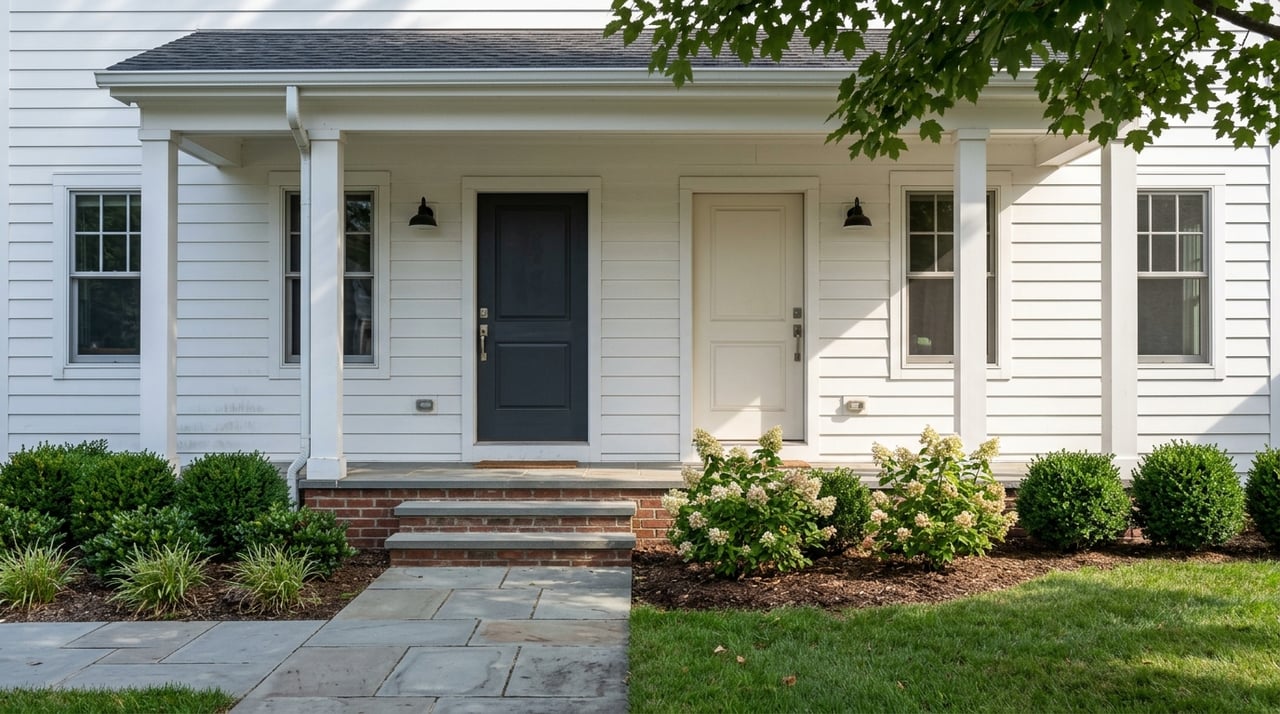
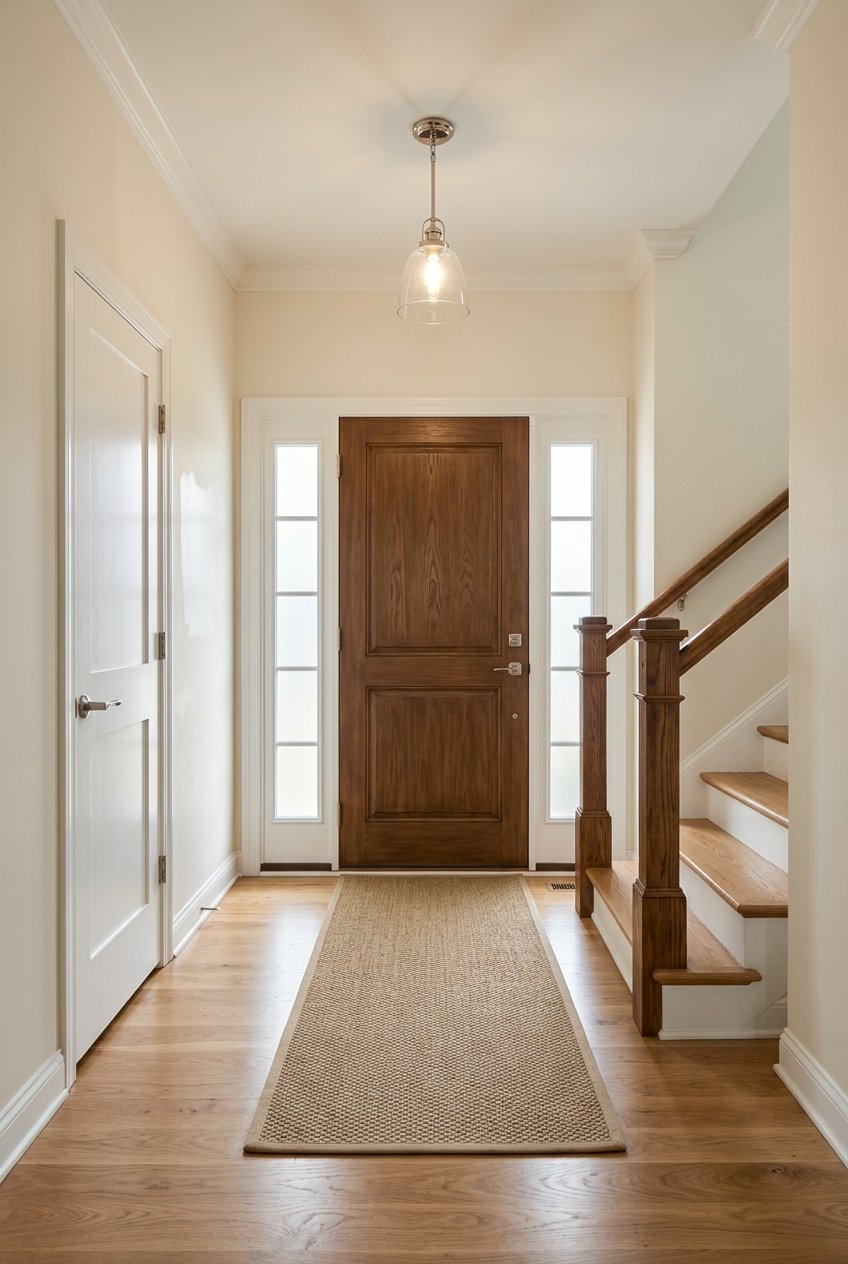
- refreshing entry areas and front walkways
- highlighting usable outdoor space
- arranging furniture to show flow and room size
In many cases, small cosmetic improvements and thoughtful staging do more than highly customized upgrades. The goal is to showcase layout, function, and curb appeal.
Step 6: Build a launch plan
Once pricing and presentation are in place, your listing should be ready to hit the market with a clear plan. That includes photography, listing copy, showing readiness, and a schedule that helps you capture the first wave of buyer attention.
This is especially important in Rye Brook because micro-market differences matter. Some nearby areas and zip codes carry very different price points, so your marketing and pricing should reflect your specific location rather than a broad county average.
A custom launch plan should emphasize what is most relevant about your property. That might be layout, updates, lot use, outdoor living, or location within a specific part of Rye Brook.
Step 7: Get ready for showings and feedback
Once your home is live, flexibility helps. Buyers often make fast decisions in active markets, and easy access for showings can improve your odds of generating strong early interest.
You should also be ready for feedback that touches on condition, price, layout, or deferred maintenance. Even in a seller’s market, buyers compare your home against every other option they have seen, so early comments can help shape your next move if needed.
Step 8: Review offers carefully
The highest offer is not always the best offer. Price matters, but so do financing strength, contingencies, timing, and the buyer’s ability to move smoothly through the contract and closing process.
When reviewing offers, pay attention to:
- proposed purchase price
- mortgage versus cash terms
- inspection contingencies
- desired closing timeline
- any requests for credits or repairs
- overall strength and completeness of the offer
In New York, an accepted offer is usually the beginning of the next phase, not the finish line. You still need to move through attorney review, contract preparation, inspections, and closing steps.
Step 9: Expect inspections and legal review
Sellers are sometimes surprised that the process continues to evolve after an offer is accepted. In New York, inspections and attorney involvement are common parts of the transaction.
The state’s disclosure rules make clear that seller disclosures do not replace home, pest, radon, or other inspections. Buyers may still investigate the property carefully, and your attorney plays an important role in helping streamline the legal transfer.
This stage moves more smoothly when your records are organized and your expectations are realistic. If issues come up, having clear documentation can help everyone respond faster.
Step 10: Plan for closing costs and net proceeds
Before you list, it is smart to estimate what you will likely owe at closing. One of the biggest seller-side costs in New York is the state real estate transfer tax, which is 0.4% of the consideration on conveyances over $500 and is usually paid by the seller.
On residential sales of $1 million or more, a 1% mansion tax generally applies to the buyer. For sellers, it is still important to understand because it can affect buyer budgeting and negotiations at certain price points.
You should also expect other closing items such as attorney fees, title-related charges, and tax prorations. In Westchester, property taxes are levied by school districts, villages, towns, local governments, and special districts, so final tax status and proration details should be reviewed carefully before closing.
Why local strategy matters in Rye Brook
Rye Brook is not a one-size-fits-all market. Buyer expectations can change based on house style, condition, street, and school district geography, so broad pricing shortcuts can lead you in the wrong direction.
That is why local sellers benefit from a strategy built around real neighborhood comps, practical pre-listing prep, and a clear understanding of how New York transaction steps work. When you combine clean presentation, accurate disclosures, and disciplined pricing, you put yourself in a stronger position from day one.
Selling your home is a big move, but it does not have to feel overwhelming. If you want local guidance on pricing, preparation, and a smart launch strategy for your Rye Brook property, connect with Andrew Rogovic for a free home valuation.
FAQs
What documents should you gather before listing a Rye Brook home?
- You should gather permits, certificates of occupancy, repair records, warranties, utility information, HOA documents if applicable, and any lead-based paint paperwork if the home was built before 1978.
How fast can a home sell in Rye Brook, NY?
- Current market snapshots show Rye Brook homes selling in about 24 to 30 median days on market, though some homes may move faster depending on price, condition, and demand.
Do you have to disclose defects when selling a home in New York?
- Yes. For most covered one- to four-family residential properties, sellers must complete the New York Property Condition Disclosure Statement based on their actual knowledge before the buyer signs a binding contract.
Why does school district information matter when listing a Rye Brook home?
- Rye Brook is served by Blind Brook-Rye UFSD and Port Chester-Rye UFSD, and district boundaries can affect buyer interest and which comparable sales are most relevant.
What closing costs should sellers expect in Rye Brook?
- Sellers should plan for New York transfer tax, attorney and title-related fees, and tax prorations, including items connected to Westchester’s local property tax structure.
Should you price your Rye Brook home based on active listings?
- Active listings can provide context, but recent closed sales in your neighborhood or school zone usually offer a more reliable starting point for pricing strategy.