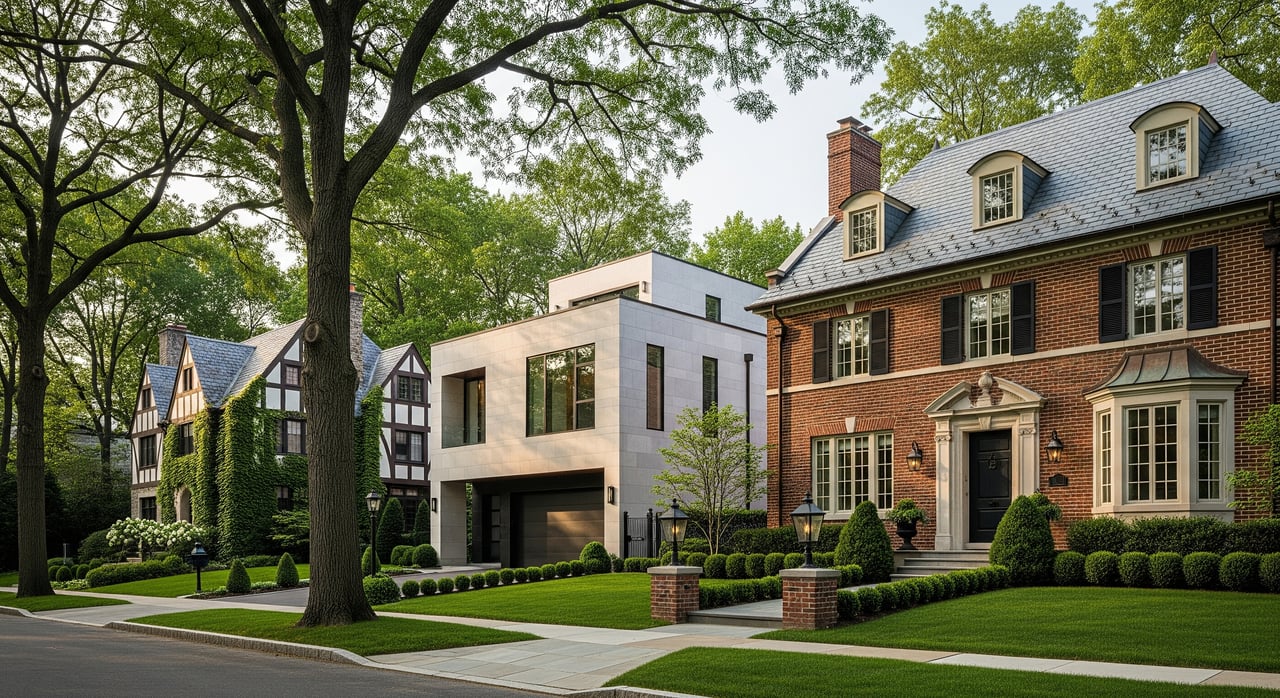
Buying or selling in White Plains without the hype starts with a clear map of how prices actually behave by neighborhood and home type. You want the real tradeoffs, not guesses. In this guide, you will see where the main residential areas typically land in the local price stack, how to use comparable sales to set a smart budget or list price, and which location factors move value up or down. Let’s dive in.
What drives price in White Plains
White Plains sits at the crossroads of rail and major parkways, and that location shapes pricing. The downtown core near the White Plains Metro‑North station has more condos and co‑ops and a higher price per square foot because of walkability and commuter demand. The residential neighborhoods farther from the core tend to offer single‑family homes on larger lots where price depends more on size, condition, and land.
Market conditions also change. After fast price gains and tight inventory through 2021 and 2022, activity moderated in 2023 and 2024 in many Westchester submarkets. Homes in some pockets took longer to sell and inventory improved. Always verify the latest local MLS and county records before you set expectations.
If you commute by train, blocks within easy reach of the station often command a premium per square foot. If you drive, quick access to I‑287, the Bronx River Parkway, or the Hutchinson River Parkway can matter more. Your daily routine shapes value.
Neighborhood tiers at a glance
Below are five core White Plains neighborhoods many buyers consider. Each has a typical place in the local price stack, but there is overlap based on condition, lot size, and micro‑location. Treat these as general guidelines and verify with current comps.
Highlands: quiet, mid‑range value
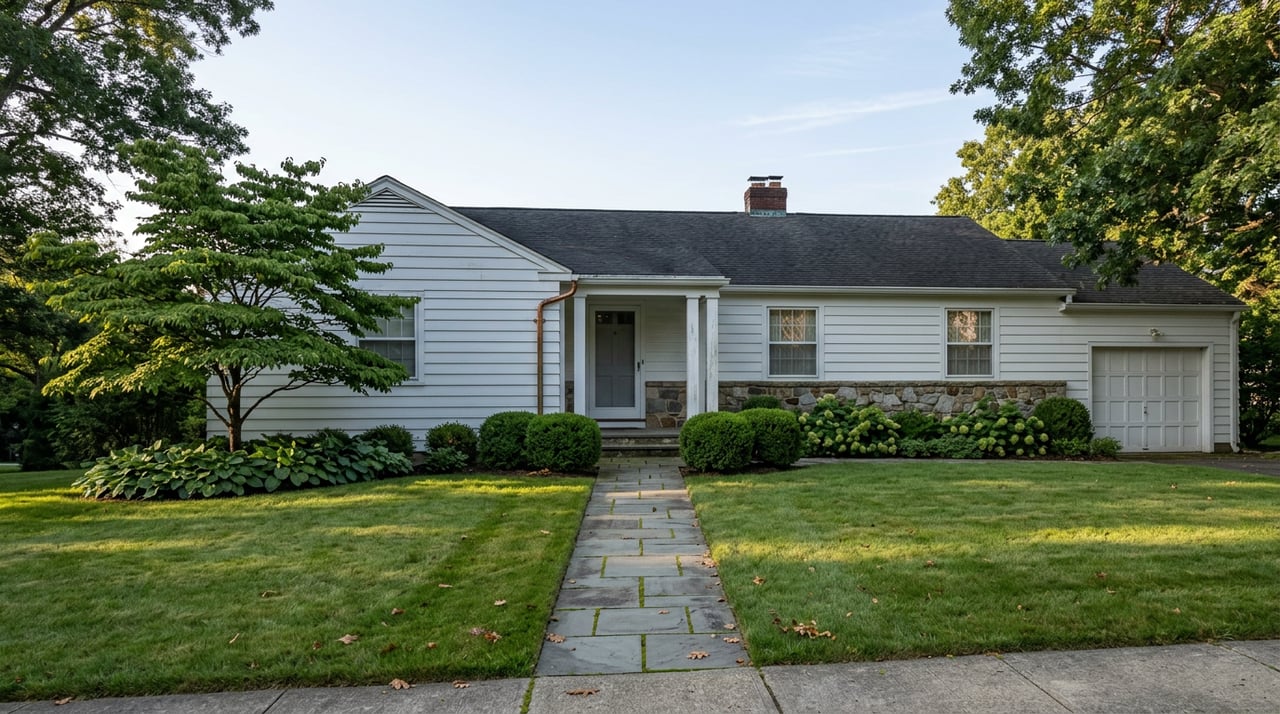
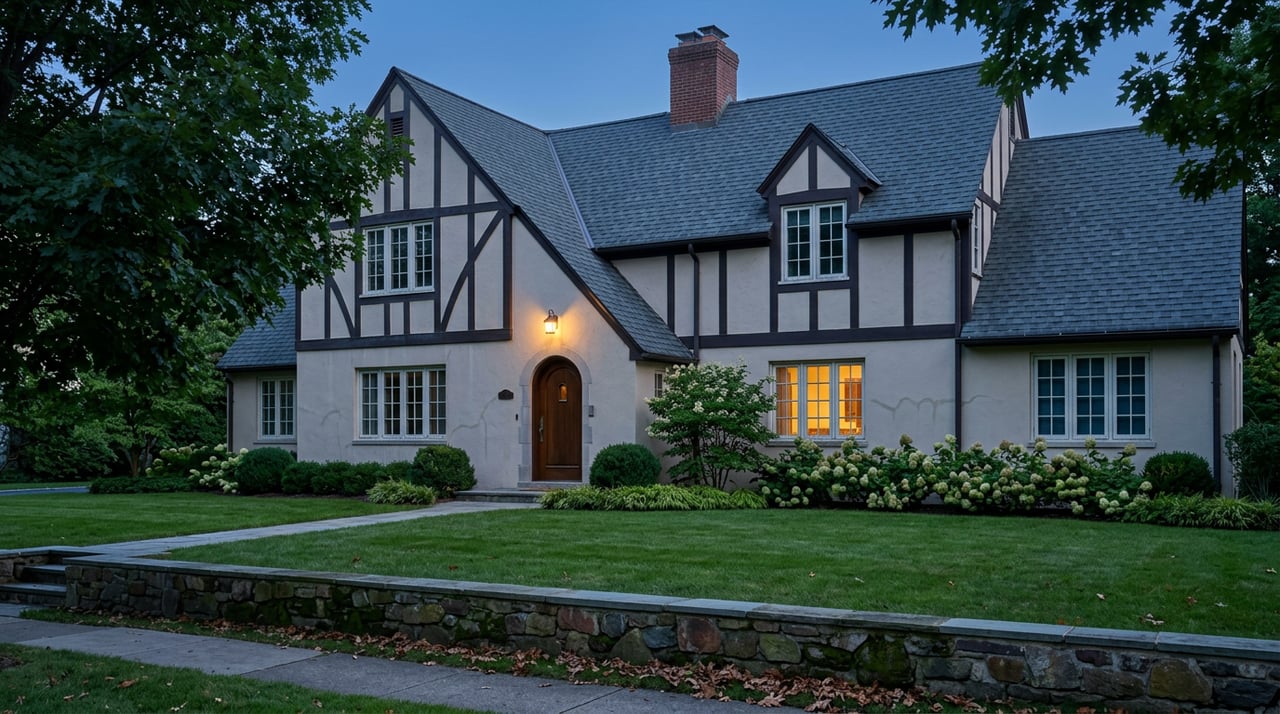
Highlands offers mature, tree‑lined streets with mostly early to mid‑20th‑century single‑family homes. You will see colonials, Dutch colonials, and some Tudors, plus updated ranches and expansions on modest to medium lots.
- What you will typically find: a quieter, suburban feel compared with the downtown core.
- Where prices tend to fall: generally mid‑range for White Plains single‑family homes. Not as high per square foot as prime downtown condos, but above the most affordable outer pockets. Condition, lot depth, and nearby park or retail access shift results.
Gedney: smaller homes, entry to mid‑tier
Gedney includes an older, established housing stock with a higher share of smaller detached homes, bungalows, and some duplexes. Parcels can be modest, and you will find a range of updates.
- What you will typically find: more modestly sized houses compared with hillside neighborhoods.
- Where prices tend to fall: toward the lower end of single‑family price bands in White Plains. Renovated properties or homes with good additions can reach the middle of the market. Expect steady turnover among starter‑home buyers and investors.
Fisher Hill: larger lots and upper tier
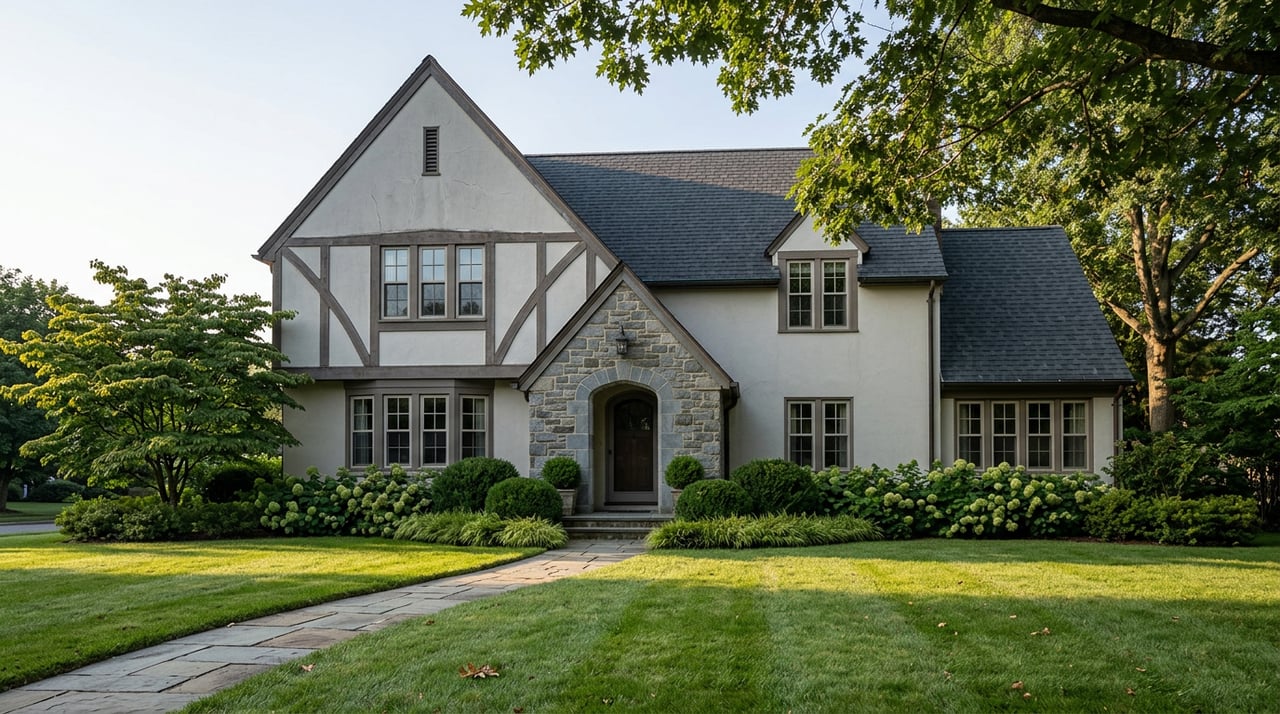
Fisher Hill is known for larger lots and some architecturally significant homes. Hilltop settings and longer driveways give many properties a private feel.
- What you will typically find: larger colonials, Tudors, and period homes with bigger footprints and yards.
- Where prices tend to fall: one of the higher single‑family bands in White Plains. You often see premiums for larger lots, high‑quality renovations, and proximity to attractive green spaces or private schools.
Battle Hill: convenience with range
Battle Hill offers a mix of older single‑family homes and some multi‑family conversions. Proximity to downtown and commercial corridors varies by block, which creates a wide spectrum.
- What you will typically find: both modest and larger homes within short drives or quick rides to the station.
- Where prices tend to fall: middle to upper‑middle range for single‑family homes, depending on block and walkability. Blocks with easier access to the station or downtown amenities tend to see stronger demand.
Rosedale: suburban feel, middle tier
Rosedale is more suburban in feel, with residential blocks that appeal to buyers seeking yard space and functional family layouts. Lots are often moderate to generous.
- What you will typically find: mid‑century ranches, split levels, and colonials.
- Where prices tend to fall: typically middle tier. Renovated homes and expanded layouts can push into higher tiers, especially on larger lots.
Overlap and micro‑markets
These bands are not hard lines. A fully renovated smaller home in Gedney can outprice an older, unrenovated property in Fisher Hill if the renovation quality and functional layout win the day. Micro‑location matters block by block. Walkability, topography, street noise, and yard usability can move a home up or down within its neighborhood band.
Condos and co‑ops near downtown follow different pricing patterns than single‑family homes. Do not apply condo price per square foot to a house in the Highlands or Rosedale. Treat property types separately.
How to use comps in White Plains
A disciplined comparable sale process protects your budget and helps you price a listing correctly.
- Define the product precisely
- Single‑family, condo, co‑op, or two‑family.
- Bed and bath count, finished square footage, and how that square footage is measured. Use gross living area and note whether basements or lower levels are finished and included.
- Choose a relevant time window
- Prefer sales from the last 6 to 12 months in a stable market. Extend to 12 to 18 months only if inventory is very limited. Always look at the most recent closings for the current market pace.
- Use tight geographic proximity
- Start with the same street, adjacent streets, or within 0.25 to 1.0 mile. In White Plains, small moves in walkability, hills, or station distance can shift value.
- Match physical attributes
- Beds, baths, finished square footage, lot size, garage, basement, interior condition, year built, and style. Functional layout can add or subtract value even when sizes match.
- Make reasoned adjustments
- Adjust for big differences like an extra bedroom, a larger lot, a renovated kitchen or bath, or a garage. Use local MLS histories for realistic adjustments rather than fixed national rules.
- Factor location premiums or discounts
- Walkability to downtown and the Metro‑North station often boosts per‑square‑foot pricing. Highway proximity, street noise, or adjacency to commercial corridors can call for a discount. School assignments should be verified with district maps.
- Account for market momentum
- If the market is rising, adjust older comps upward where justified by a string of more recent higher sales. If the market is cooling, be cautious and adjust the other way.
- Assemble 3 to 6 primary comps and explain the pick
- For sellers, include 2 to 3 closest closed sales, 1 to 2 active or pending listings as current competition, and 1 older but highly similar sale to provide context.
Common caveats
- Price per square foot is a useful directional tool, not a final answer. It can hide lot value, layout value, and renovation quality.
- Finished lower levels are valued differently by buyers. Compare using finished living area but note egress and functional use.
- Unique features like pools, large acreage, or notable architecture reduce the usefulness of standard comps. Expect a wider range of outcomes.
Location tradeoffs to weigh
White Plains buyers and sellers benefit from naming the tradeoffs up front.
- Commute vs space: Closer to the station and downtown usually means smaller lots or condos. Farther neighborhoods offer more yard and house, but longer walks or drives to transit.
- Walkability and daily convenience: Blocks near restaurants, groceries, and entertainment see premiums from lifestyle buyers.
- Schools and child‑oriented amenities: Verify district maps and consider proximity to public and private options. School assignment often carries a meaningful pricing impact.
- Road noise and corridor proximity: Homes near highways or high‑traffic streets often trade at a discount compared with quieter blocks.
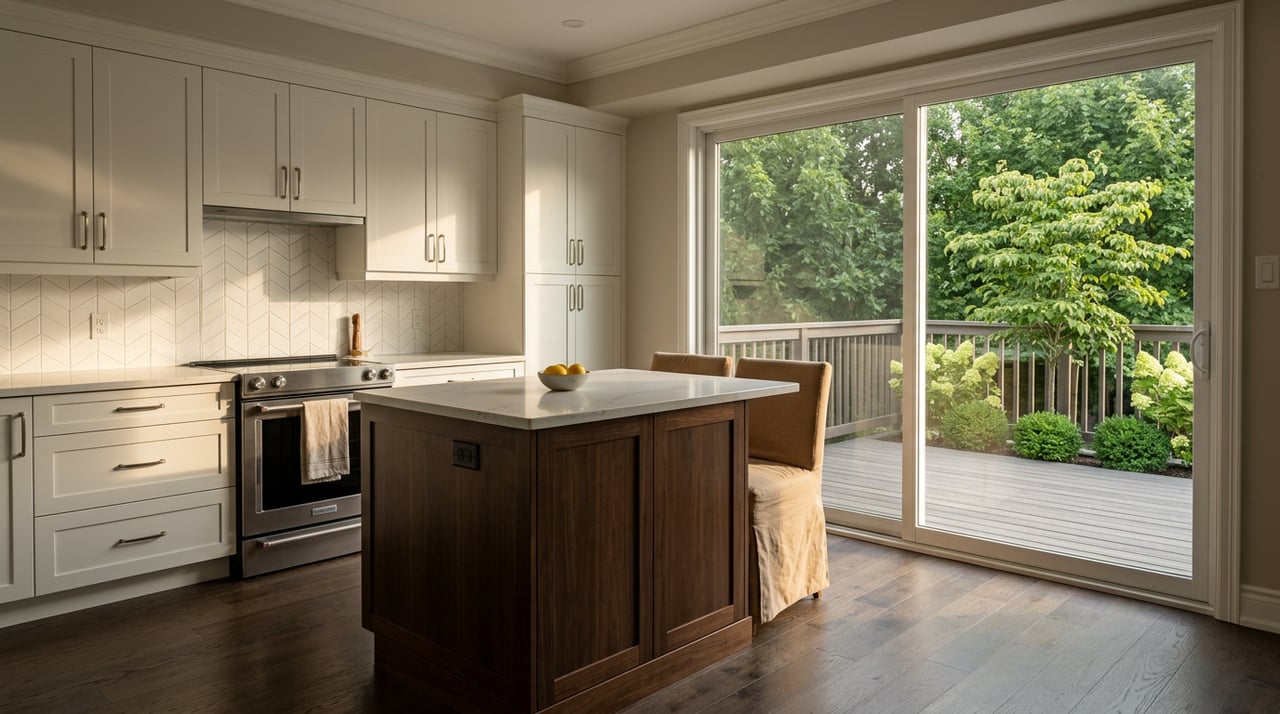
- Renovation vs buy‑in: New kitchens, baths, and system updates often command a premium. If you plan to renovate, established neighborhoods with older homes can offer entry points for sweat equity.
- Property taxes and assessments: Westchester tax burdens affect carrying cost and buyer affordability. Confirm assessed values and exemptions when you run your numbers.
Sample search paths and scenarios
These quick paths turn the neighborhood map into action. Always confirm with recent comps.
- If you want a 4‑bedroom with a yard within a short drive of downtown: Start with Highlands, Battle Hill, and Rosedale. Focus on blocks that balance yard size with reasonable access to the station and I‑287.
- If you want larger lots and classic architecture: Look at Fisher Hill. Expect pricing in the higher single‑family band. Renovated homes or standout lots can carry meaningful premiums.
- If you want an entry or starter single‑family buy with room to renovate: Explore Gedney and selected blocks in Battle Hill or Highlands. Smaller footprints can keep prices in reach, and targeted updates may lift value.
- If you value walkability most: Focus on edges of Battle Hill and the closest blocks of Highlands to downtown and the station. Expect higher per‑square‑foot pricing for the convenience.
What this means for your budget or list price
Start by mapping your must‑haves to the right neighborhoods, then validate with a tight comp set. For buyers, a strong comp analysis prevents overpaying for a cosmetic refresh or underbidding a truly renovated home on a prime block. For sellers, a clear comp set positions your home correctly against active inventory and reduces time on market.
If you are weighing renovations before listing, model both outcomes. Price the home as‑is with comps that match condition, then test a post‑update price range using renovated comps. Compare the cost and timeline of the work with the likely lift. In many White Plains neighborhoods, turnkey condition commands a premium.
Finally, track market momentum. If the latest local closings show a faster pace and tighter inventory, lean into stronger pricing or be ready for competitive bids. If days on market are stretching, price with discipline and make condition shine.
Ready for a grounded pricing conversation?
You deserve pricing that reflects the block, not the buzz. If you want a data‑driven read on your home or a short list of neighborhoods that fit your budget, reach out to Andrew Rogovic at RyebrookRealtor.com for a practical plan anchored to current White Plains comps. Request a Free Home Valuation and get a clear path to your next move.
FAQs
How does station proximity impact price in White Plains?
- Homes and condos within easy reach of the White Plains Metro‑North station often see higher price per square foot because many buyers pay for shorter, predictable commutes.
Which neighborhoods fit a 4‑bedroom with a yard near downtown?
- Start with Highlands, Battle Hill, and Rosedale, then filter for blocks that balance yard size with quick access to the station and major parkways.
How can I tell if a price reflects condition or lot value?
- Build two comp sets that match the subject by condition and by lot size. If renovated comps outprice similar‑lot, unrenovated sales, the premium is likely condition driven.
How far back should I look for comps in today’s market?
- Aim for 6 to 12 months of sales, then extend to 12 to 18 months only if inventory is thin. Give the most weight to the most recent, closest matches.
What premium should I expect for a renovated kitchen or bath?
- Renovations often command a premium in White Plains, but the amount varies by neighborhood, quality of work, and competing inventory. Use local comps with similar finishes to estimate the lift.