Selling on your schedule sounds simple until you start counting backward from the day you actually want to move. In Scarsdale, the listing itself may move quickly, but the full process usually takes months when you include repairs, prep, pricing, showings, attorney review, and closing steps. If you want a smoother sale with fewer surprises, your timeline matters just as much as your list price. Let’s dive in.
Why your Scarsdale sale timeline matters
Scarsdale is not a market where you can assume any home will sell instantly just because inventory is limited. As of April 2026, Realtor.com shows 96 homes for sale, a median listing price of $1.795 million, a sale-to-list ratio of 99%, and median days on market of 29 days.
That data points to a balanced market. In plain terms, well-prepared and well-priced homes can move efficiently, but sellers still need a smart launch plan. The first few weeks on the market matter, so your preparation work needs to happen before the sign goes up.
When to start planning in Scarsdale
If your goal is to sell before the next school year, start earlier than you think. Scarsdale Public Schools are scheduled to open on September 1, 2026, so homeowners aiming to move before then should treat late spring and summer as the key window for listing, contract work, and closing.
A practical rule of thumb is to begin planning 8 to 12 weeks before your target list date. That gives you time to sort out repairs, declutter, review pricing strategy, and line up the marketing pieces that help your home make a strong first impression.
If you want to catch the spring market, even better. Realtor.com’s 2026 Best Time to Sell report identified April 12 to 18 as the strongest listing week nationally, and its seller survey found that 75% of potential sellers expect to sell within four months. That does not mean every Scarsdale home should list that exact week, but it does support the idea that early planning pays off.
A simple home-selling timeline
8 to 12 weeks before listing
This is the planning and decision stage. It is the right time to choose your listing agent, review the local market, walk through the home with a critical eye, and decide what needs attention before launch.
It is also when many sellers tackle the most time-consuming jobs. Think repairs, painting where needed, decluttering, and organizing anything that could slow down photography or showings later.
A pre-sale inspection is optional, but it can be helpful. According to guidance cited in the research, it may uncover issues before a buyer’s inspection and give you time to repair them or price the home with those conditions in mind.
4 to 6 weeks before listing
This is the presentation phase. Your staging plan, photography, paperwork, and marketing prep should come together here.
If you are staging, focus first on the rooms that tend to matter most. NAR’s 2025 staging report found that staging helps buyers visualize the home more easily, and the most commonly staged rooms were the living room, primary bedroom, and dining room.
This is also a good time to gather appliance manuals, warranties, and any records for systems that will remain with the home. Having those details ready can make later stages feel less rushed.
Final days before listing
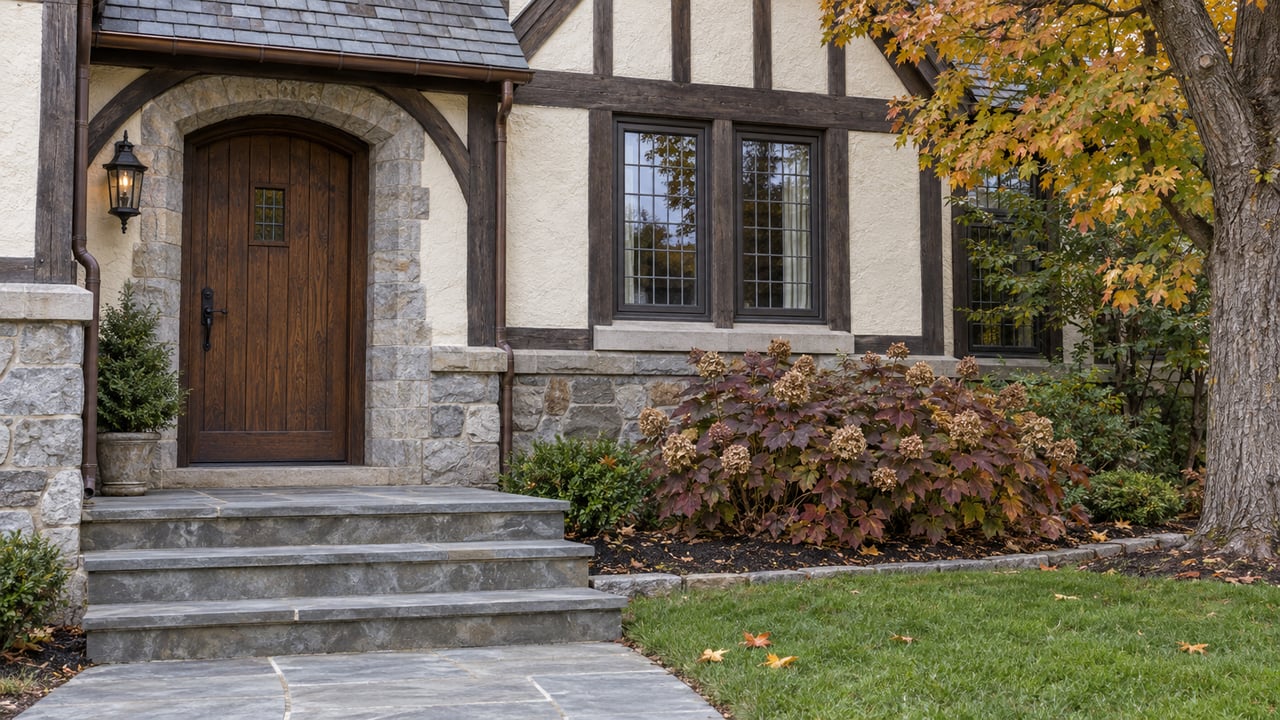
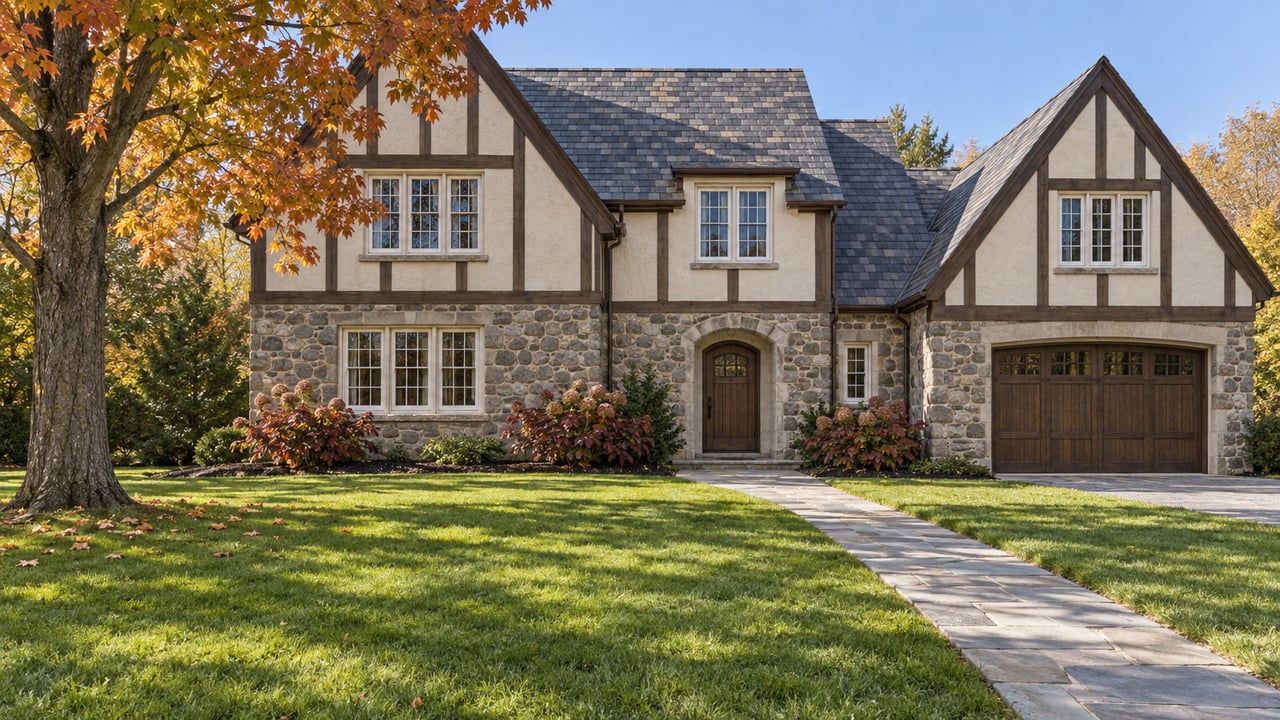
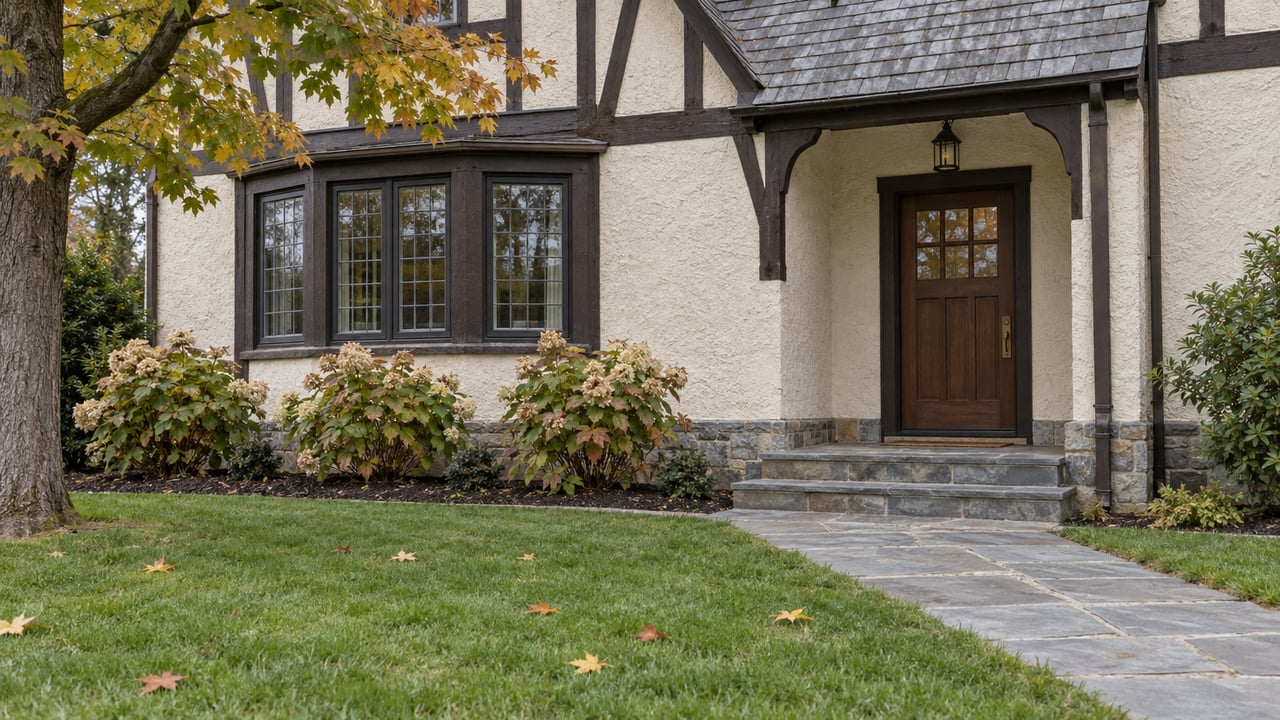
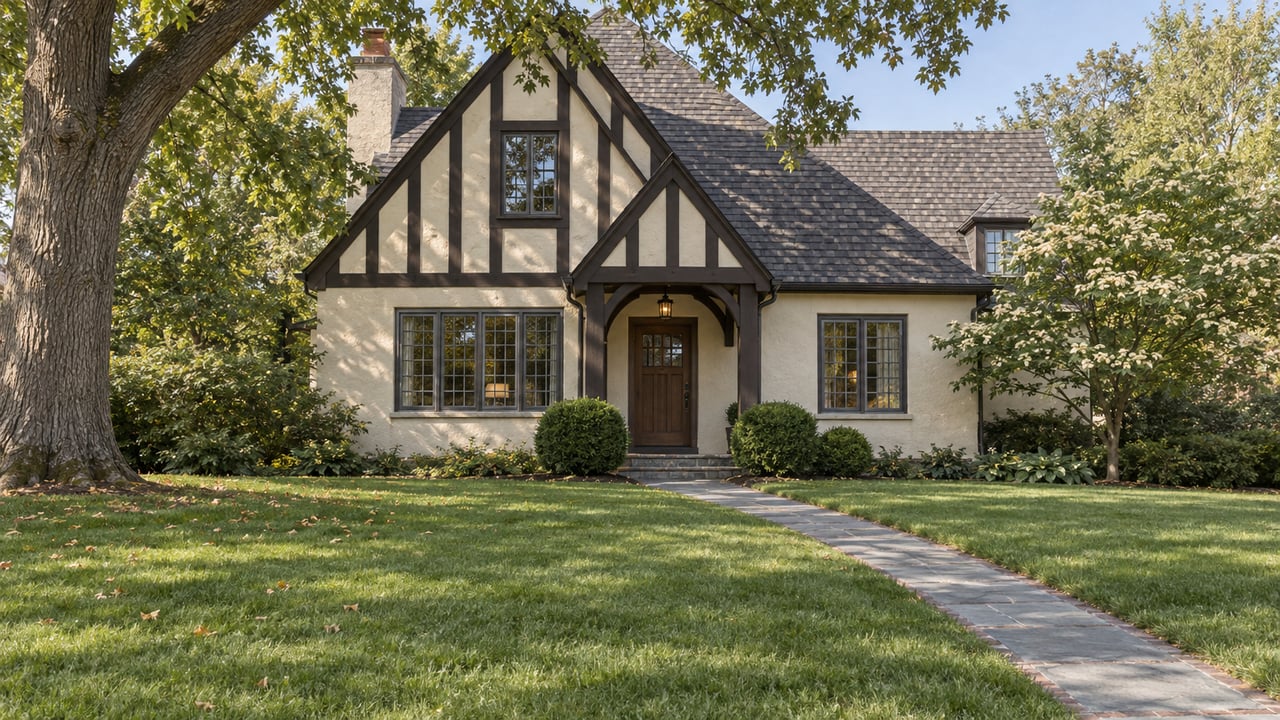
Now the attention shifts to curb appeal and logistics. You want the exterior looking clean and cared for, and you want a clear plan for how showings will work.
Because buyers may request tours at different times and sometimes with little notice, it helps to think through access, daily tidy-up routines, and any final touch-ups before your home officially hits the market.
Which repairs are worth doing
Not every repair deserves your time or money before listing. The goal is not perfection. The goal is to remove distractions, reduce avoidable objections, and help buyers focus on the home itself.
In most cases, the highest-value pre-listing work includes:
- Fixing obvious maintenance issues
- Decluttering rooms, closets, and storage areas
- Improving curb appeal
- Using neutral presentation where possible
- Addressing problems that could come up during inspection
If a repair is major, expensive, or unlikely to change buyer perception much, it may make more sense to discuss pricing strategy instead of completing the work. That is one reason early review with a local agent is so important. In a balanced market like Scarsdale, preparation and pricing need to support each other.
Do you need to stage every room?
No. You do not need to stage every single room to benefit from staging.
The research supports focusing on the spaces that shape a buyer’s overall impression. Living rooms, primary bedrooms, and dining rooms are the most commonly staged spaces, and those areas often do the most work in helping buyers understand scale, flow, and function.
If your home is occupied, partial staging or styling can still be effective. The key is to present the home clearly, cleanly, and consistently in person and in photos.
Launch week is critical
Once your home is ready, the market will tell you a lot in the first few weeks. In Scarsdale, current data shows homes are selling close to asking price on average, with a median of 29 days on market.
That means your launch needs to be coordinated. Pricing, photography, showings, and marketing exposure should all be lined up so your home enters the market in its strongest form.
A typical marketing plan can include MLS exposure, open houses, virtual tours, and print materials. Just as important, you should be ready to respond quickly to feedback. If buyer response is weaker than expected, conversations about price or incentives should happen sooner rather than later.
What happens after you accept an offer
In Westchester, the timeline does not jump straight from accepted offer to closing table. Local practice is attorney-driven, and that adds important steps that sellers should expect.
According to the Westchester closing customs guide cited in the research, contracts are typically drafted by attorneys. The seller’s attorney usually holds the deposit, and a 10% deposit at contract is customary.
That means your timeline after acceptance usually includes:
- Attorney review and contract drafting
- Deposit handling
- Title work and supporting paperwork
- Coordination toward closing
This is one reason planning ahead matters so much. Even when the buyer is motivated, the legal and title process still takes coordination.
New York forms and disclosures to expect
If you are selling in Scarsdale, there are a few New York requirements that can affect timing and paperwork.
Beginning July 1, 2025, New York requires a Property Condition Disclosure Statement, and it must be delivered before the buyer signs a binding contract. If the home was built before 1978, federal law also requires lead-based paint disclosure and the EPA lead-hazards pamphlet.
At recording, New York requires Form RP-5217. For conveyances outside New York City, Form TP-584 is also filed with the county clerk. The state transfer tax is $2 per $500 of consideration, and outside New York City the base transfer tax is generally paid by the seller. The 1% mansion tax applies to residential sales with consideration of $1 million or more.
Because Westchester County uses its PREP system to prepare cover pages and tax forms for recording, attorneys and title teams usually begin paperwork early. That early coordination can help reduce last-minute delays.
How long from contract to closing?
The exact timeline can vary, but sellers in Westchester should expect more than a quick sign-and-close process. Attorney involvement, title work, required forms, and closing coordination all take time after the offer is accepted.
The best approach is to build flexibility into your moving plan. Even after closing is scheduled, your move-out logistics should be lined up carefully so the final handoff does not become a scramble.
How a strategic listing agent helps
A good timeline is not just a calendar. It is a sequence.
In Scarsdale, where market conditions are balanced rather than overheated, your agent should help you connect the dots between prep, pricing, launch timing, buyer feedback, and closing coordination. That includes deciding what to fix, where to stage, when to photograph, how to price based on the local market, and how to prepare for the attorney-driven contract process that follows an accepted offer.
That kind of planning can make the sale feel more predictable. It can also help you avoid the common mistake of treating listing day as the beginning of the process, when in reality it is the result of weeks of smart preparation.
If you are thinking about selling your home in Scarsdale, the best next step is to start planning backward from your ideal move date. With the right preparation, pricing strategy, and local guidance, you can give yourself a much better chance of a smooth sale. If you want a practical plan tailored to your timeline, reach out to Andrew Rogovic for a free home valuation and a clear next-step strategy.
FAQs
How far in advance should I start planning to sell a home in Scarsdale?
- A good starting point is 8 to 12 weeks before your target list date, especially if you want time for repairs, decluttering, staging, pricing, and paperwork.
How long does it take to sell a home in Scarsdale once it is listed?
- As of April 2026, the median days on market in Scarsdale is 29 days, but your total selling timeline is usually longer because prep, attorney review, and closing steps happen before and after that period.
Which repairs should I make before listing a Scarsdale home?
- Focus on visible maintenance issues, clutter reduction, curb appeal, neutral presentation, and problems that could create concerns during a buyer inspection.
Do I need to stage every room before selling my Scarsdale home?
- No. Staging the main living spaces, especially the living room, primary bedroom, and dining room, can make a strong impact without staging every room.
What happens after I accept an offer on a home in Westchester?
- In Westchester, the process usually includes attorney-drafted contracts, deposit handling, title work, and closing coordination before ownership officially transfers.
What disclosures and forms should Scarsdale sellers expect in New York?
- Sellers should expect the New York Property Condition Disclosure Statement, and if the home was built before 1978, lead-based paint disclosures. Recording also involves Form RP-5217 and, outside New York City, Form TP-584.
What taxes should sellers know about when selling a home in Scarsdale?
- New York state transfer tax is $2 per $500 of consideration, the base transfer tax is generally paid by the seller outside New York City, and the 1% mansion tax applies to residential sales of $1 million or more.