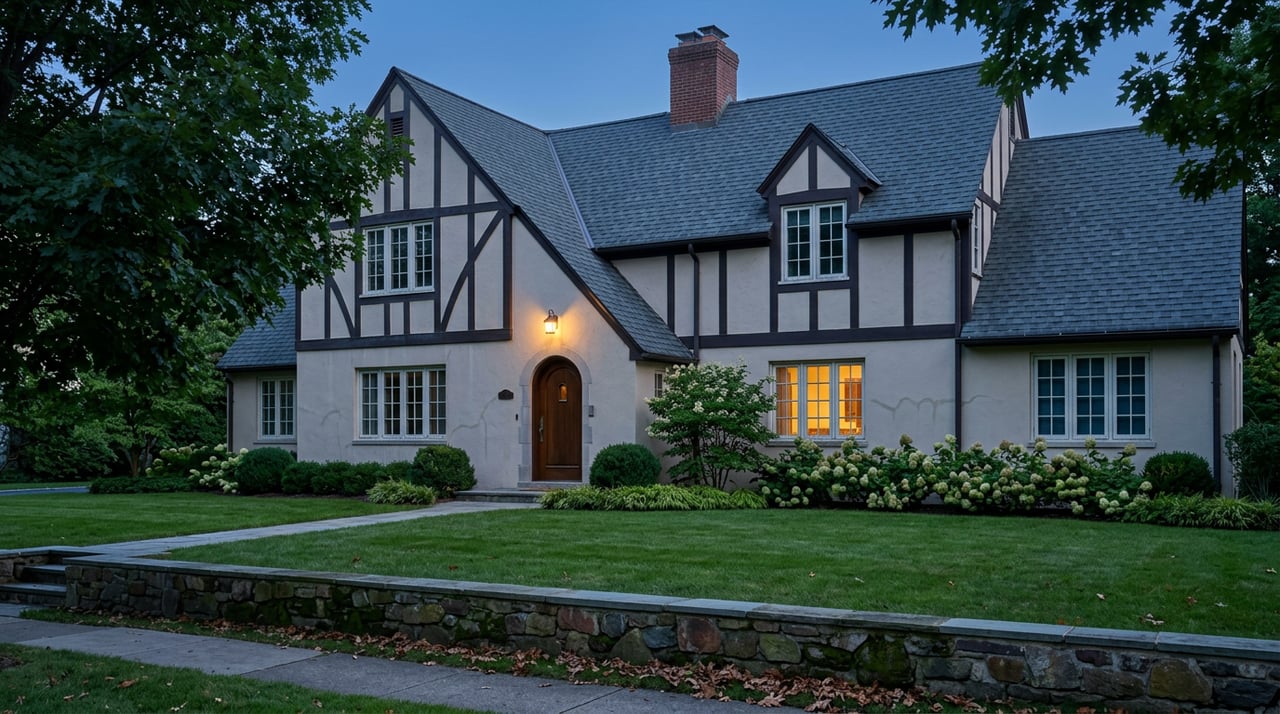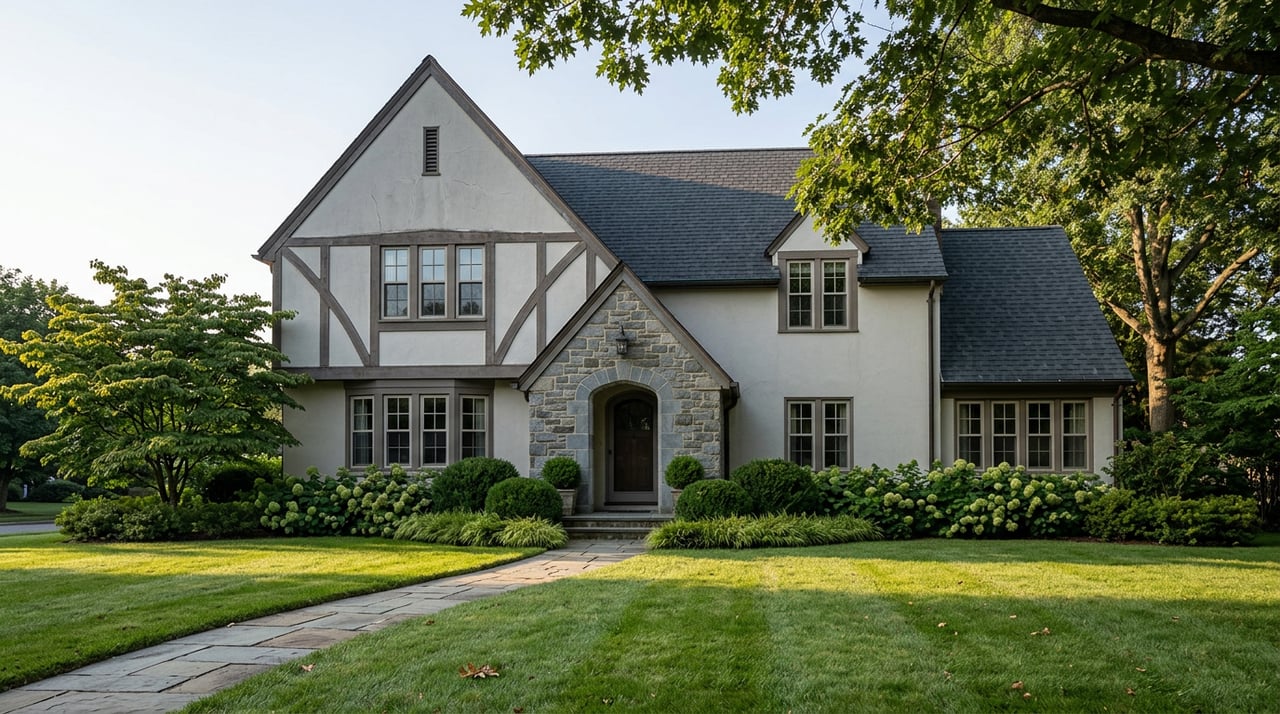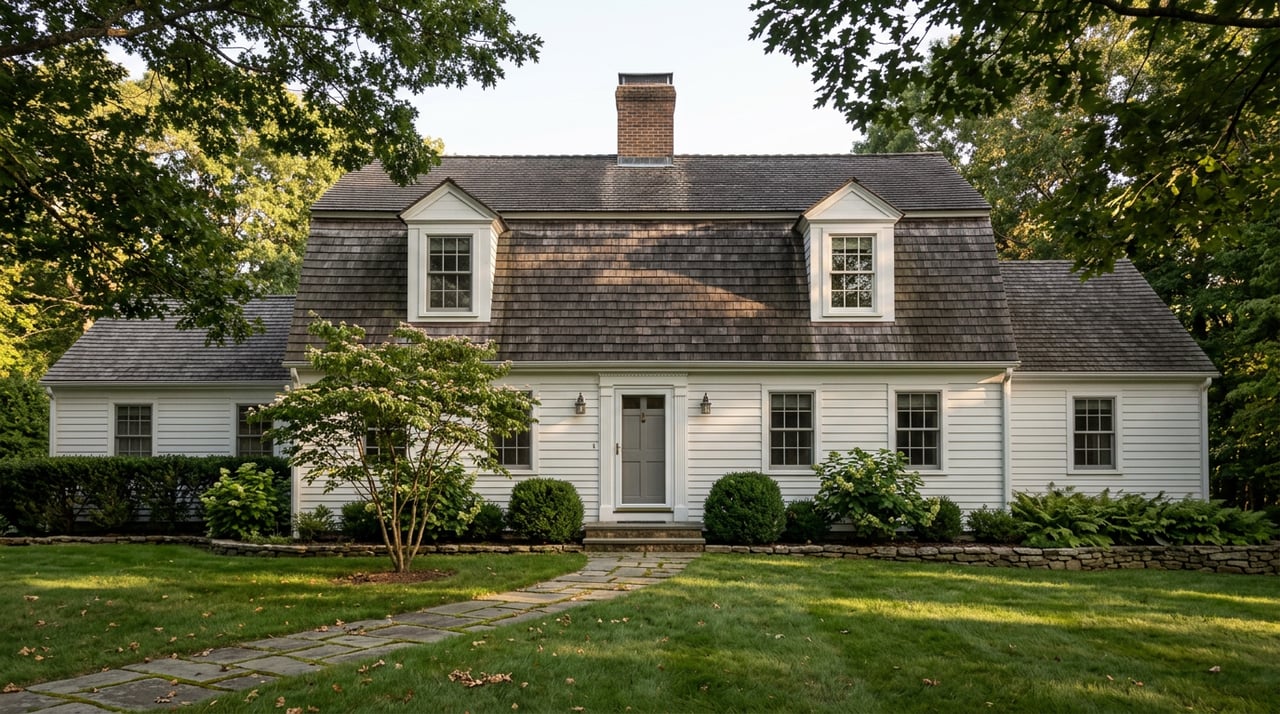
Picture two listings open in adjacent browser tabs. One is a one-bedroom unit at Rye Ridge Condominium, priced in the low $300,000s, with a monthly HOA fee around $431. The other is a townhouse at Doral Greens, listed well over $1,000,000, with an association fee that covers far more than the Rye Ridge number does. Run the simple math and Rye Ridge wins twice: cheaper purchase, cheaper carry. A buyer comparing the two on a spreadsheet has every reason to think they found the better deal.
The spreadsheet is missing the one variable that actually matters, which is what each fee is standing behind. At Rye Ridge, a building that went up in 1963, that $431 a month is paying for heat, hot water, water, exterior maintenance, and pool service on infrastructure old enough to have grandchildren. At Doral Greens, built in 1994 as part of a country-club style community, the fee covers the roof, the exterior facade, gutters, decks, walkways, driveways, and the painting of exterior doors and garages, on a building three decades younger. Same word, "HOA fee," pointing at two very different bets.
The comparison nobody actually runs
Most people shopping in Rye Brook run the comparison that's easy to run: price per square foot, fee per month, done. It's a reasonable instinct anywhere else. Here it skips the one question that separates a fair deal from a future special assessment: how old is the building behind the number, and how much of that fee is reserve funding versus routine upkeep.
A lower fee on an older building isn't automatically a red flag. It can also mean a well-run association that has kept its reserves current for sixty years. But the fee alone doesn't tell you which situation you're in. It just tells you the current draw, not the underlying condition. Two buildings can charge the same $500 a month and be in completely different financial health, and the only way to know the difference is to ask for the reserve study and the last few years of budget minutes before you write an offer, not after.
What's actually bundled into the number
Here's how three of Rye Brook's best-known communities stack up on paper, based on build year and what the association fee is documented to cover:
| Community | Built | Typical monthly fee | What the fee bundles |
|---|---|---|---|
| Rye Ridge Condominium | 1963 | Around $431 | Common area maintenance, exterior maintenance, grounds care, heat, hot water, water, pool service, snow removal |
| Doral Greens | 1994 | Not publicly fixed in current listings | Roof, exterior facade, gutters, deck, walkways, driveways, exterior door and garage painting, landscaping, snow removal |
| BelleFair | 2000 | Recently quoted near $753 | Clubhouse and pool access, fitness center, gymnasium, playground, lawn maintenance, snow removal |
The Rye Ridge number looks like the value play because it's the smallest dollar figure on the page. It's also the only one of the three built during the Kennedy administration, and it's the only one where utilities like heat and hot water are folded into the fee rather than billed separately, which changes what a low number actually represents. A fee that includes utilities on a 60-plus year old building isn't necessarily cheap. It's a different kind of exposure than a fee on a building built in the Clinton or Bush years.
Same complex, same name, two very different outcomes
If community age alone told the whole story, every unit inside a given complex would sell on roughly the same terms. Doral Greens says otherwise. Two townhouses in that community closed in 2025 at almost identical prices, one just above $1,035,000 and the other just above $1,050,000. One sold in 37 days at 2 percent above its asking price. The other sat for 206 days and closed 22 percent under list.
Same clubhouse, same tennis courts, same HOA structure on paper. Wildly different buyer confidence.
That gap is the clearest evidence that the community label, and even the fee itself, isn't the thing buyers are actually pricing. Condition, disclosure, and how clearly a seller can answer questions about the association's finances move faster than any amenity list. A seller sitting on a well-documented reserve position and a recently updated unit has a real advantage in that market, one that has nothing to do with the fee amount printed on the listing sheet.
The fee is also buying a lifestyle, not just a roof
Part of what separates BelleFair's fee from Rye Ridge's isn't upkeep at all, it's scope. BelleFair is a master-planned community built in 2000 with a central meetinghouse, indoor and outdoor pools, a fitness center, basketball courts, a clubhouse with a fireplace and billiards room, and an on-site child care center operated by Bright Horizons. Homes there come in a mix of models, including the Camelot, Summerwind, and Springtide, ranging from ranch-style single-level layouts to multi-story homes with elevators, all within the Blind Brook School District.
The Arbors, a few minutes away off Greenway Lane, sells a different version of the same idea: a luxury townhouse community close enough to the Metro-North station in Port Chester that some residents skip the parking question at the train altogether.
None of that is upkeep in the strict sense. It's lifestyle infrastructure, and it's a legitimate reason a fee runs higher, as long as the buyer knows that's what they're paying for and isn't assuming the whole number is roof and gutters.
And that's before factoring in Rye Brook's non-HOA option entirely. Traditional single-family neighborhoods like Pine Ridge, Hillandale, and Country Ridge carry no monthly association fee at all. For a buyer weighing a lock-and-leave condo against a detached house with a private roof and no shared reserve fund, the comparison isn't cheaper versus more expensive. It's who's holding the risk, and how much control you want over the answer.
Questions worth asking before you sign anything
For a buyer looking at any condo or townhouse product in Rye Brook, the fee on the listing sheet is a starting point, not an answer. Before writing an offer, it's worth getting:
- The building's most recent reserve study, or confirmation that one exists
- A copy of the last two years of association budgets and any planned special assessments
- What the fee specifically includes, in writing, not just "maintenance"
- How many units in the building are owner-occupied versus rented, since that ratio affects financing terms
- Recent sale history for comparable units in the same building, not just the same complex name
For sellers in one of these communities, the reverse is just as true. A clean reserve study and a documented maintenance history are marketing assets, not paperwork. In a market where two units in the same complex can spend 169 more days on the market and still land near the same price, being the listing that can answer every financial question on day one is a real edge.
A couple of questions this raises
Does a higher HOA fee always mean a better-run building? Not necessarily. It usually means either more amenities, a newer building with more exterior scope covered, or both. The fee amount by itself doesn't confirm reserve health either way. That's a separate document to request.
Is a single-family home without an HOA the safer choice by default? It shifts the risk rather than removing it. Without an association, the owner carries the full cost and timing of a roof or driveway replacement directly, with no reserve fund to draw against. Some buyers prefer that control. Others prefer the fee.
Why did one Doral Greens unit sell in 37 days and another take 206? The research doesn't point to a single cause, but the pattern matches what tends to separate fast sales from slow ones in any shared-fee community: documented condition, clear disclosure, and pricing that reflects both from the start.
If you're weighing a condo, a townhouse, or a single-family home in Rye Brook and want to know what a specific building's fee actually stands behind, that's the kind of digging Andrew Rogovic does before a client ever writes an offer. Request a Free Home Valuation to start the conversation with real numbers instead of a listing sheet.